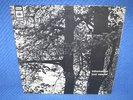
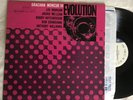
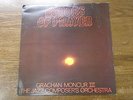
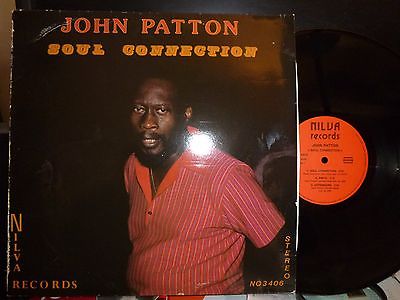
JOHN PATTON "Soul Connection" LP NM-M/VG 1983, Grachan Moncur III, Melvin Sparks
$
20


Favourite Auctions
To save auctions to your favourites, please login
If you don't have an account, please register
Description
Condition:
AMG Review by Thom Jurek [-]
Big John Patton's Soul Connection originally appeared on drummer Alvin Queen's Nilva label in 1983 -- just before the organist's "rediscovery" by John Zorn in the 1990s. It is the lost gem in his catalog and showcases him in one of the most provocative quintets in his career; it feels quite directly like an extension of Patton's late Blue Note period on titles like Memphis to New York Spirit and Accent on the Blues. Patton is accompanied here by the great soul-jazz guitarist Melvin Sparks; tenor saxman Grant Reed; trombonist, composer, and arranger Grachan Moncur III; and Queen -- who produced the set -- on drums. Musically, the material reflects the diverse range and demeanor of this band. Reed is the least well-known member, but his jazz and funk associations run deep. He appeared with Jack Walrath on the front line of Don Pullen's quintet, and in the early '70s was a member of Mongo Santamaria's band. A disciple of Texas tenor Booker Ervin, he has a big soulful tone that reaches both ends of the spectrum, from Arnett Cobb shouts to John Coltrane's angles. There are two tunes apiece by Patton and Moncur. However, the opening title track is a reading of one of trumpeter Dusko Goykovich's finest soul-jazz numbers (in which the composer directly pays homage to the early-'70s Crusaders). It begins with a break-heavy Latin shuffle from Queen before the front line kicks it into stomp groove. Goykovich wrote some mean titles in his day, and this is one of the very best. It's complex progressive jazz, yet lies deeply in the soul pocket, lending it an earthy quality, too -- thanks in large part to Sparks' choppy chord voicings that allow Patton to solo freely.
Patton's "Pinto" and "Extensions" follow. They are two of the big surprises here. While they come right out of the hard bop realm, they open up inside in unique ways, all the while relying on the same melodies to provide plenty of room for improvisation. This is especially true of the former, which is based on a breezy, hard bop blues and has some excellent honking by Reed; he takes it just outside enough to push Patton and Moncur into some compelling places. The latter number is even more adventurous, with some turnstile breaks by Queen. The knotty funk comes out of the Horace Silver book, but given that it's a B-3 quartet, it changes almost immediately -- Sparks' solo is stellar. Moncur's tunes are shocking yet bear his trademark signature. "Space Station" riffs on the pop tune theme "Bewitched" before giving way to a driving hard bop center with a fine solo by Moncur and killer fills in the high register from Patton. The closer, "The Coaster," is classic Moncur. It opens with a staggered call and response between the trombonist and Reed, with Sparks taking the first solo. It employs everything from bebop to soul-jazz to swing, and evokes the entire history of the jazz guitar. Patton eggs him on, playing against the tune's rhythm like another percussionist, popping two-fisted chords in chopped-up bursts, leaving Queen to concentrate on keeping the swing intact. The repeated interactions by Reed and Moncur preface excellent solos by both before the melody returns, closing this set like a well-sprung trap. This is a necessary Patton date for fans.
John Patton ?– Soul Connection
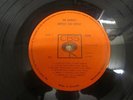
Label: Nilva Records ?– NQ 3406 Format: Vinyl, LP, AlbumCountry: France Released: 1983 Genre: Jazz Style: Soul-Jazz, Jazz-Funk
Tracklist
A1 Soul Connection 9:44 A2 Pinto 5:16 A3 Extensions 6:50 B1 Space Station 5:36 B2 The Coaster 12:41See our other EBAY auctions by using search by seller and using “recordcollectormichigan”
Ferndale, Michigan 48220
Phone: 248-548-9888
Hours: Monday thru Saturday NOON to 6:00 PM (Eastern)
GOLDMINE GRADING
MINT ---- It should appear to be perfect. No scuffs or scratches, blotches or stains, labels or writing, tears or splits. Mint means perfect.
NEAR MINT ---- Otherwise mint but has one or two tiny inconsequential flaws that do not affect play. Covers should be close to perfect with minor signs of wear or age just becoming evident: slight ring-wear, minor denting to a corner, or writing on the cover should all be noted properly.
VERY GOOD PLUS ---- The record has been handled and played infrequently or very carefully. Not too far from perfect. On a disc, there may be light paper scuffs from sliding in and out of a sleeve or the vinyl or some of the original luster may be lost. A slight scratch that did not affect play would be acceptably VG+ for most collectors.
VERY GOOD ---- Record displays visible signs of handling and playing, such as loss of vinyl luster, light surface scratches, groove wear and spindle trails. Some audible surface noise, but should not overwhelm the musical experience. Usually a cover is VG when one or two of these problems are evident: ring wear, seam splits, bent corners, loss of gloss, stains, etc.
GOOD ---- Well played with little luster and significant surface noise. Despite defects, record should still play all the way through without skipping. Several cover flaws will be apparent, but should not obliterate the artwork.
POOR ---- Any record or cover that does not qualify for the above "Good" grading should be seen as Poor. Several cover flaws.
price rating