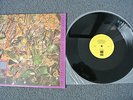
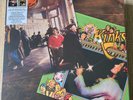
SPARKS THIS TOWN AIN'T BIG ENOUGH ISLAND ILE 4005 PROG
£
62
$
82


Favourite Auctions
To save auctions to your favourites, please login
If you don't have an account, please register
Description
YOU ARE BIDDING ON AN EXCELLENT CONDITION 7"
SPARKS
THIS TOWN AIN'T BIG ENOUGH FOR BOTH OF US
HASTA MANANA MONSIEUR
AMATEUR HOUR
TALENT IS AN ASSET
RELEASED ON ISLAND RECORDS ILE 4005
WE DO COMBINE POSTAGE FOR ITEMS PURCHASED MEANING THAT WE DO PROVIDE POSTAGE DISCOUNTS ON MULTIPLE PURCHASES WHERE POSSIBLE, AS A RULE THE FIRST LP IS CHARGED AT STANDARD POSTAL RATE AND EACH ITEM THERE AFTER AT AROUND A 50% DISCOUNT, AND THE SAME GOES FOR 7" RECORDS, THERE MAY BE A FEW EXCEPTIONS TO THIS, SUCH AS BEING UNABLE TO COMBINE POSTAGE FOR A POSTER AND A RECORD, PLEASE FEEL FREE TO CONTACT US IF YOU ARE STILL UNSURE
ITEMS ARE PACKAGED IN STIFF CARD MAILERS WITH STIFFENERS, AND ARE REMOVED FROM SLEEVES PRIOR TO PACKING-UNLESS THE ITEM IS SOLD AS 'SEALED'
Sparks were a vehicle for the skewed pop smarts and wise-guy wordplay of brothers Ron and Russell Mael, Los Angeles natives who spent their childhood modeling young men's apparel for mail-order catalogs. While attending UCLA in 1970, the Maels formed their first group, Halfnelson, which featured songwriter Ron on keyboards and Russell as lead vocalist; the band was rounded out by another pair of brothers, guitarist Earle and bassist Jim Mankey, and drummer Harley Feinstein.
Halfnelson soon came to the attention of Todd Rundgren, who helped land the group a contract with Bearsville and produced their self-titled 1971 debut. Their quirky, tongue-in-cheek art pop failed to find an audience, however, and their manager successfully convinced the Maels to change the group's name. After becoming Sparks, they almost reached the Hot 100 with the single "Wonder Girl," and 1972's sublimely bizarre A Woofer in Tweeter's Clothing cemented the band's cult status, scoring another near-hit with "Girl from Germany."
While touring the U.K., Sparks were warmly received by the British music press, and ultimately, the Mael brothers relocated to London, leaving the rest of the band behind; Earle Mankey subsequently became a noted producer, while Jim later joined Concrete Blonde. In need of a new support unit, the Maels placed an advertisement in Melody Maker, and with guitarist Adrian Fisher, bassist Martin Gordon, and drummer Norman "Dinky" Diamond firmly in place, they recorded 1974's glam-bubblegum opus Kimono My House, which reached the Top Five of the U.K. album charts and spawned two major British hits, "This Town Ain't Big Enough for the Both of Us" and "Amateur Hour."
With new guitarist Trevor White and bassist Ian Hampton, Sparks returned later that year with Propaganda, another U.K. smash that scored with the hits "Never Turn Your Back on Mother Earth" and "Something for the Girl with Everything." Overblown production from Tony Visconti derailed 1975's Indiscreet, however, and when the record fared less successfully than its predecessors, the Maels returned to the U.S., where they recruited Tuff Darts guitarist Jeff Salen, former Milk & Cookies bassist Sal Maida, and drummer Hilly Michaels for 1976's Big Beat.
By 1977's ironic Introducing Sparks, recorded with a series of Los Angeles session players, the Mael brothers were treading water, so they enlisted disco producer Giorgio Moroder to helm 1979's synth-powered dance-pop confection No. 1 in Heaven, which spurred the group to renewed success in England on the strength of the hit singles "The Number One Song in Heaven," "Beat the Clock," and "Tryouts for the Human Race." Moroder's sidekick Harold Faltermeyer took the production reins for the immediate follow-up, Terminal Jive, which scored a massive French hit with "When I'm with You."
Sparks left disco in the dust with 1981's Whomp That Sucker, recorded in Munich with a new supporting band comprised of guitarist Bob Haag, bassist Leslie Bohem, and drummer David Kendrick (who also played together as the Gleaming Spires). After 1982's Angst in My Pants, they recorded 1983's Sparks in Outer Space; the wonderful "Cool Places," a duet with the Go-Go's Jane Wiedlin, nearly reached the U.S. Top 40, and was the band's biggest hit.
The disastrous 1984 LP Pulling Rabbits Out of a Hat derailed any chart momentum the band had gathered at home, however, and after 1986's self-explanatory Music That You Can Dance To, Sparks -- again reduced to the core duo of Ron and Russell -- recorded 1988's Interior Design, which was followed by a long hiatus. Outside of composing the music for a film by Hong Kong action maestro Tsui Hark, Sparks remained silent until Gratuitous Sax and Senseless Violins, released in 1994. Plagiarism followed four years later. With 2000's Balls, the band ushered in a more productive era, releasing Lil' Beethoven in 2002, Hello Young Lovers in 2006, and Exotic Creatures of the Deep in 2008. The following year, the band was commissioned by Swedish National Radio to compose a piece of radio theater, resulting in their eclectic twenty-second album, The Seduction of Ingmar Bergman.
price rating