NEIL YOUNG ?– After The Gold Rush - LP RARE WHITE LABEL PROMO w LYRIC INSERT
$
456
Favourite Auctions
To save auctions to your favourites, please login
If you don't have an account, please register
Description
WELCOME TO THE "I'M SELLING SH*T I SWORE I WOULD NEVER SELL" SALE NO RSV. BID WITH CONFIDENCE. MY FEEDBACK SPEAKS FOR ITSELF. CHECK OUT THE OTHER COOL RECORDS I HAVE LISTED THAT I SWORE I WOULD NEVER SELL. STAY TUNDS IN THE WEEKS TO COME. I'M UNLOADING A MAJOR COLLECTION. THIS ONE WOULD MAKE A MIND BLOWING GIFT FOR A NEIL FAN. PROMO = EARLY PRESSING = BETTER SOUND QUALITY
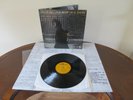
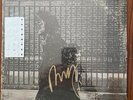
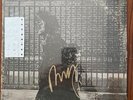
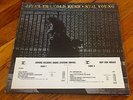
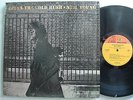
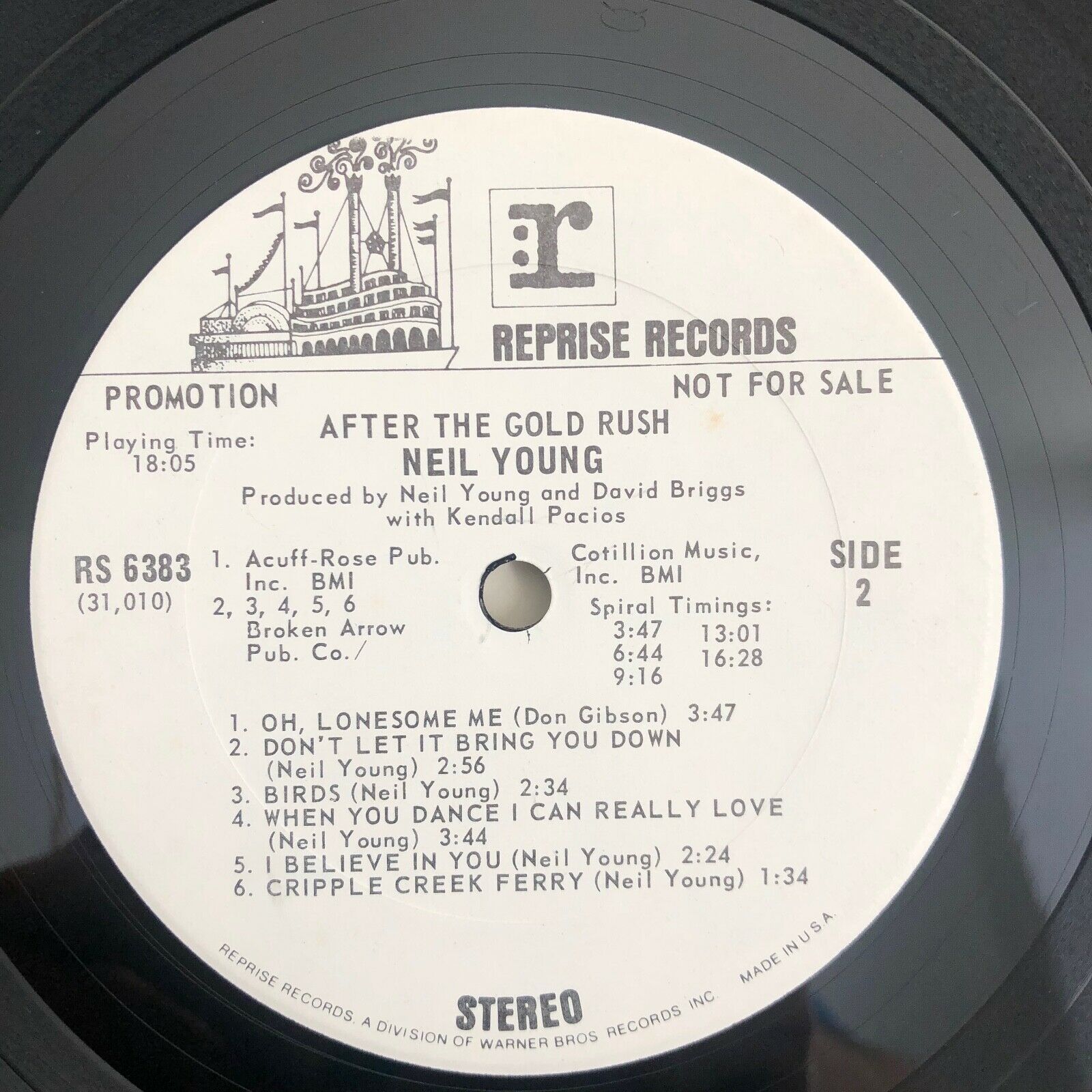
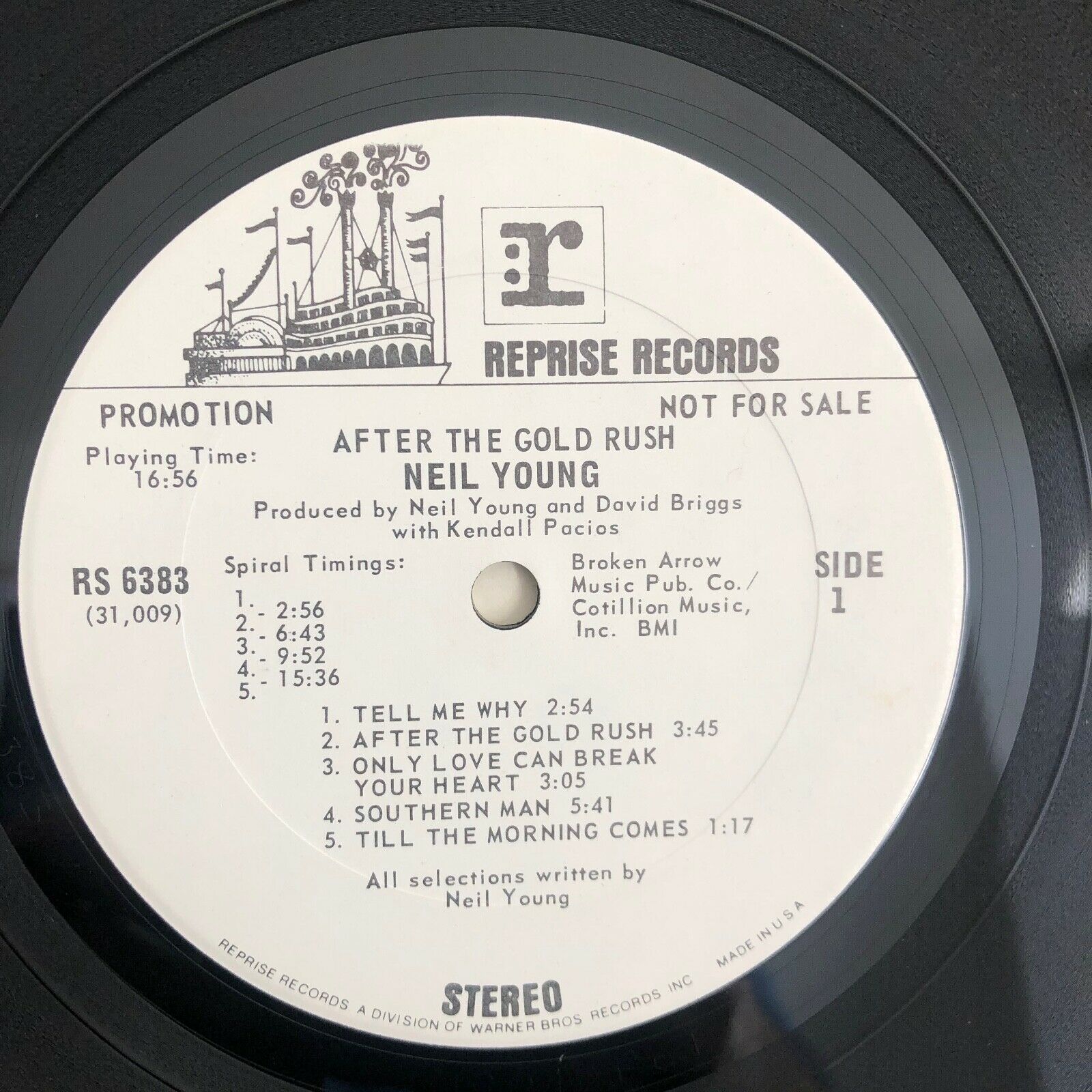
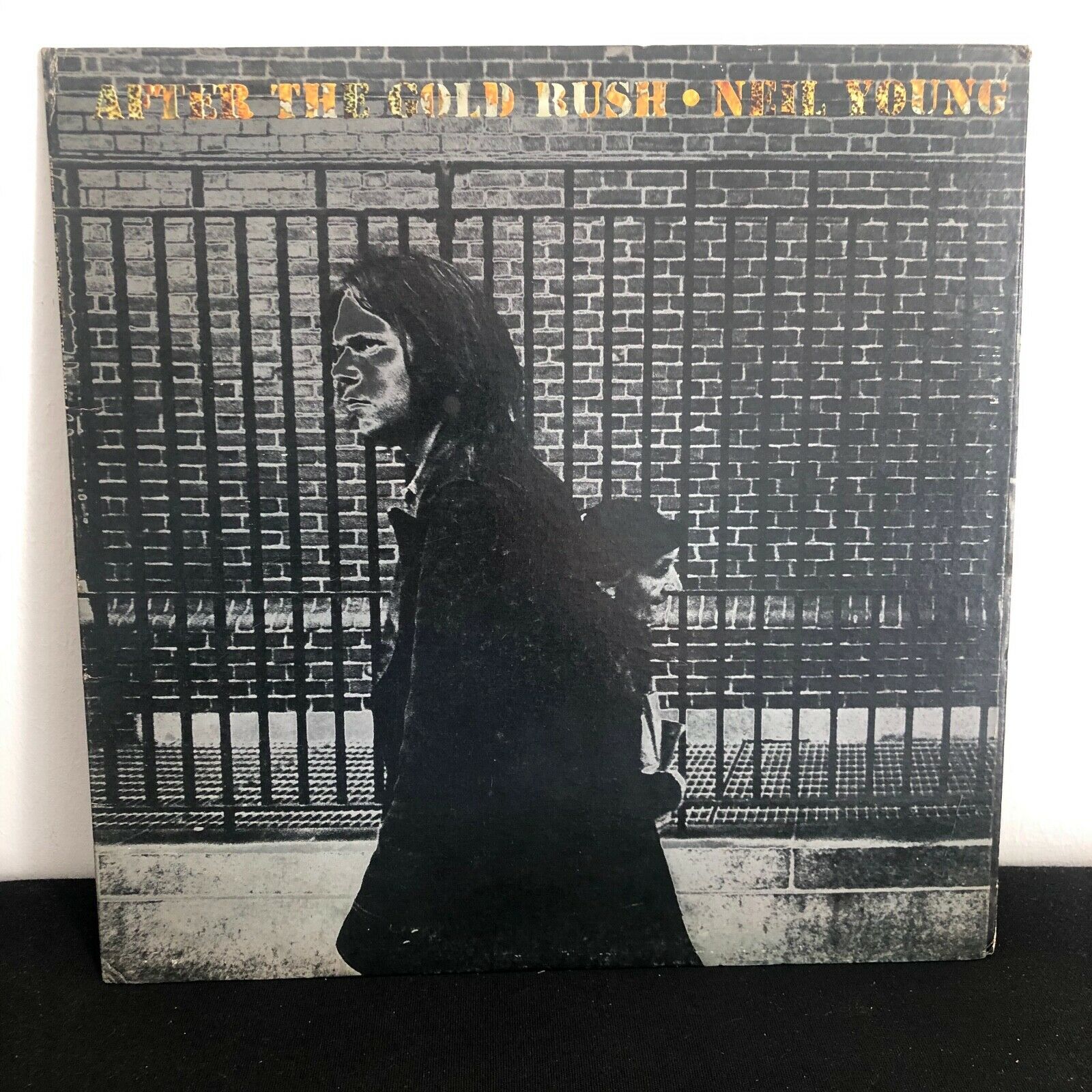
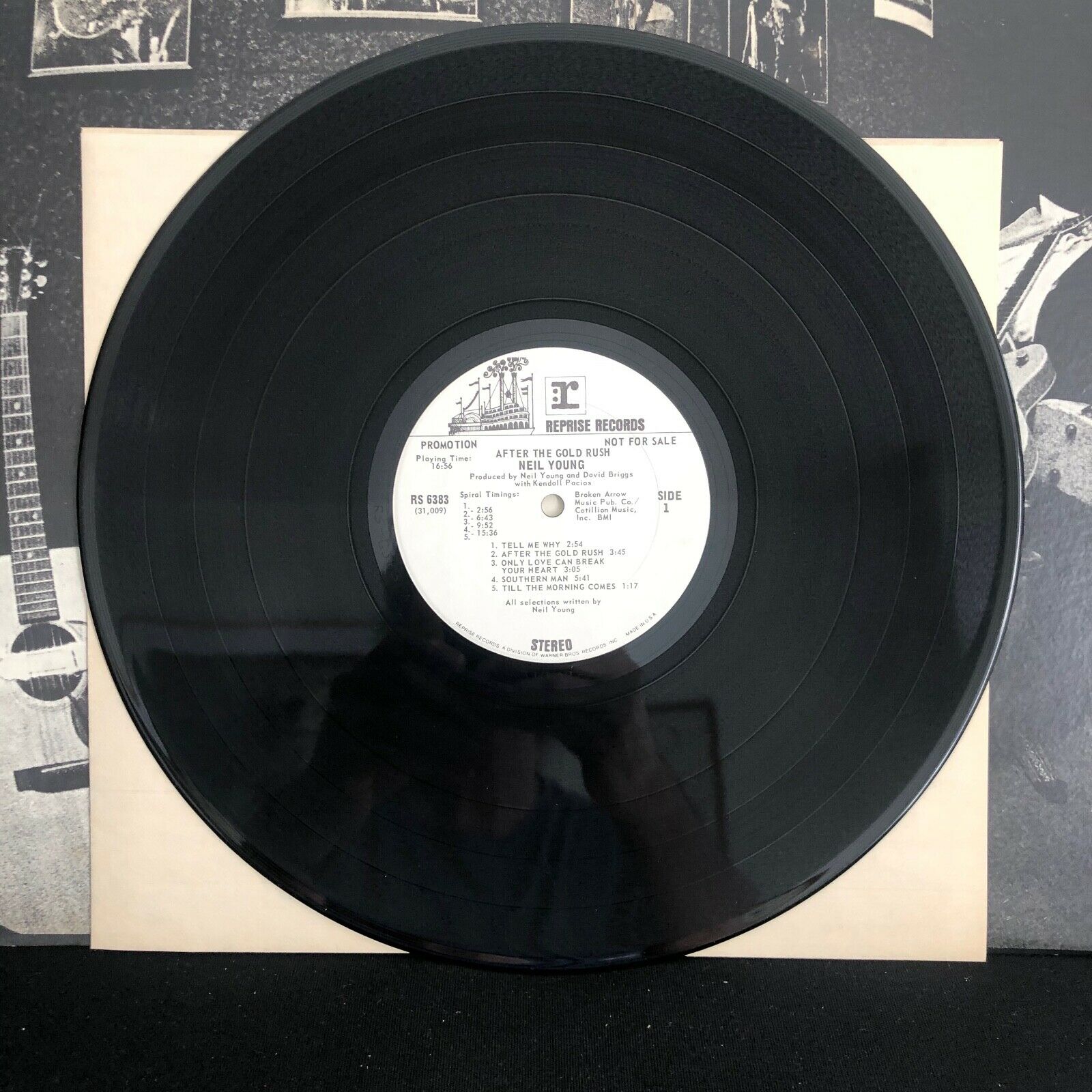
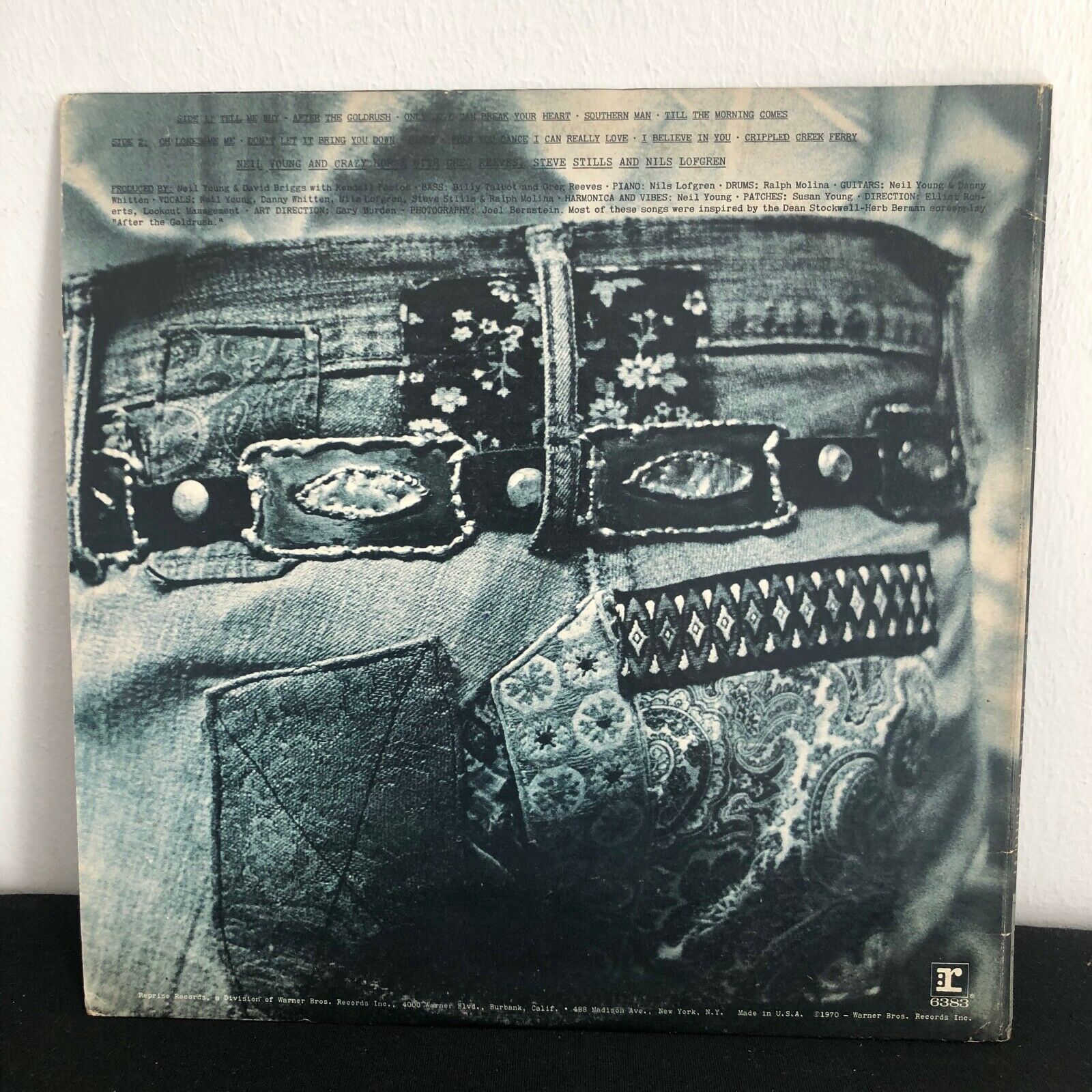
RARE WHITE LABEL PROMO in NMINT CONDITION PLAYS MINT ORIGINAL GATEFOLD COVER BORDERING ON MINT includes ORIGINAL LYRIC INSERT (SEE PICS)
Neil Young ?– After The Gold Rush
Label: Reprise Records ?– RS 6383 Format: Vinyl, LP, Album, Promo, GatefoldCountry: US Released: 1970 Genre: Rock Style: Rock & Roll, Country Rock
TracklistHide Credits
A1 Tell Me Why 2:54 A2 After The Goldrush 3:45 A3 Only Love Can Break Your Heart 3:05 A4 Southern Man 5:41 A5 Till The Morning Comes 1:17 B1 Oh Lonesome Me Written-By – Don Gibson 3:47 B2 Don't Let It Bring You Down 2:56 B3 Birds 2:34 B4 When You Dance I Can Really Love 3:44 B5 I Believe In You 2:24 B6 Cripple Creek Ferry 1:34Companies, etc.
- Pressed By – Columbia Records Pressing Plant, Santa Maria
Credits
- Backing Vocals – Stephen Stills
- Bass – Billy Talbot, Greg Reeves
- Drums – Ralph Molina
- Guitar, Harmonica, Piano, Vibraphone, Vocals – Neil Young
- Guitar, Vocals – Danny Whitten
- Piano – Jack Nitzsche
- Producer – David Briggs, Kendall Pacios, Neil Young
- Vocals, Piano – Nils Lofgren
- Written-By – Neil Young (tracks: A1 to A5, B2 to B6)
Notes
Original white label promo copy.After the Gold Rush is the third studio album by Canadian / American musician Neil Young, released in September 1970 on Reprise Records. It is one of four high-profile albums released by each member of folk rock collective Crosby, Stills, Nash & Young in the wake of their chart-topping 1970 album Déjà Vu. Gold Rush consists mainly of country folk music, along with the rocking "Southern Man",[6] inspired by the Dean Stockwell-Herb Bermann screenplay After the Gold Rush.
After the Gold Rush peaked at number eight on the Billboard Top Pop Albums chart; the two singles taken from the album, "Only Love Can Break Your Heart" and "When You Dance I Can Really Love", made it to number 33 and number 93 respectively on the Billboard Hot 100. Despite a mixed initial reaction, it has since appeared on a number of "greatest albums" lists.
Initial sessions were conducted with backing band Crazy Horse at Sunset Sound Studios in Los Angeles amid a short winter 1970 tour that included a well-received engagement with Steve Miller and Miles Davis at the Fillmore East. Despite the deteriorating health of rhythm guitarist Danny Whitten, the sessions yielded two released tracks, "I Believe In You" and "Oh, Lonesome Me."
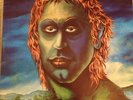
Most of the album was recorded at a makeshift basement studio in Young's Topanga Canyon home during the spring with Crosby, Stills, Nash, & Young bassist Greg Reeves, Crazy Horse drummer Ralph Molina and burgeoning eighteen-year-old musical prodigy Nils Lofgren of the Washington, D.C.-based band Grin on piano. The incorporation of Lofgren was a characteristically idiosyncratic decision by Young: Lofgren had not played keyboards on a regular basis prior to the sessions.[7] Along with Jack Nitzsche, Lofgren would join an augmented Crazy Horse sans Young before enjoying success with his own group, solo cult success and a 25-year membership in Bruce Springsteen's E Street Band). The Young biography Shakey[8] claims Young was intentionally trying to combine Crazy Horse and CSNY on this release, with members of the former band appearing alongside Stephen Stills (who contributed backing vocals to "Only Love Can Break Your Heart") and Reeves. The cover art is a solarized image of Young, walking past the New York University School of Law campus, passing an old woman. The picture was taken by photographer Joel Bernstein and was reportedly out of focus. It was because of this he decided to mask the blurred face by solarizing the image.[9] The photo is cropped; the original image included Young's friend and CSNY bandmate Graham Nash.[10]
Songs on the album were inspired by the Dean Stockwell-Herb Bermann screenplay for the unmade film After the Gold Rush. Young had read the screenplay and asked Stockwell if he could produce the soundtrack. Tracks that Young recalls as being written specifically for the film are "After the Gold Rush" and "Cripple Creek Ferry."[11] The script has since been lost, though has been described as "sort of an end-of-the-world movie."[12] Stockwell said of it, "I was gonna write a movie that was personal, a Jungian self-discovery of the gnosis... it involved the Kabala (sic), it involved a lot of arcane stuff."[12] Graham Nash claims that "Only Love Can Break Your Heart" was written for him about the pains he was going through with his break up from Joni Mitchell.[13]
According to the Neil Young Archives, After the Gold Rush was released on September 19, 1970. One month later, on October 24, the lead single "Only Love Can Break Your Heart" entered the Billboard Hot 100 chart.[4]
Critical reaction has improved with time; by 1975, Rolling Stone was referring to the album as a "masterpiece",[19] and Gold Rush is now considered a classic album in Young's recording career.[20]
Accolades[edit]
After the Gold Rush has appeared on a number of greatest albums lists. In 1998 Q magazine readers voted After the Gold Rush the 89th greatest album of all time. It was ranked 92nd in a 2005 survey held by British television's Channel 4 to determine the 100 greatest albums of all time. In 2003, Rolling Stone named the album the 71st greatest album of all time, and 74th in a 2012 revised list, his highest ranking on this list.[21] Pitchfork listed it 99th on their 2004 list of the "Top 100 Albums of the 1970s".[22] In 2006, Time Magazine listed it as one of the 'All-TIME 100 Albums'.[23] It was ranked third in Bob Mersereau's 2007 book The Top 100 Canadian Albums. Its follow-up album, Harvest, was named the greatest Canadian album of all time in that book. In 2005, Chart Magazine readers placed it fifth on a poll of the best Canadian Albums. In 2002, Blender Magazine named it the 86th greatest "American" album. New Musical Express named it the 80th greatest album of all time in 2003.[24] The album was also included in the book 1001 Albums You Must Hear Before You Die.[25]
It was voted number 62 in Colin Larkin's All Time Top 1000 Albums 3rd Edition (2000).[26]
price rating
![PRINCE BUSTER/MIGHTY RULER - ROY PANTON [SKA] 7](https://www.popsike.info/php/thumbnail.php?url=https://www.popsike.pics/pix/20080127/300194208629.jpg)