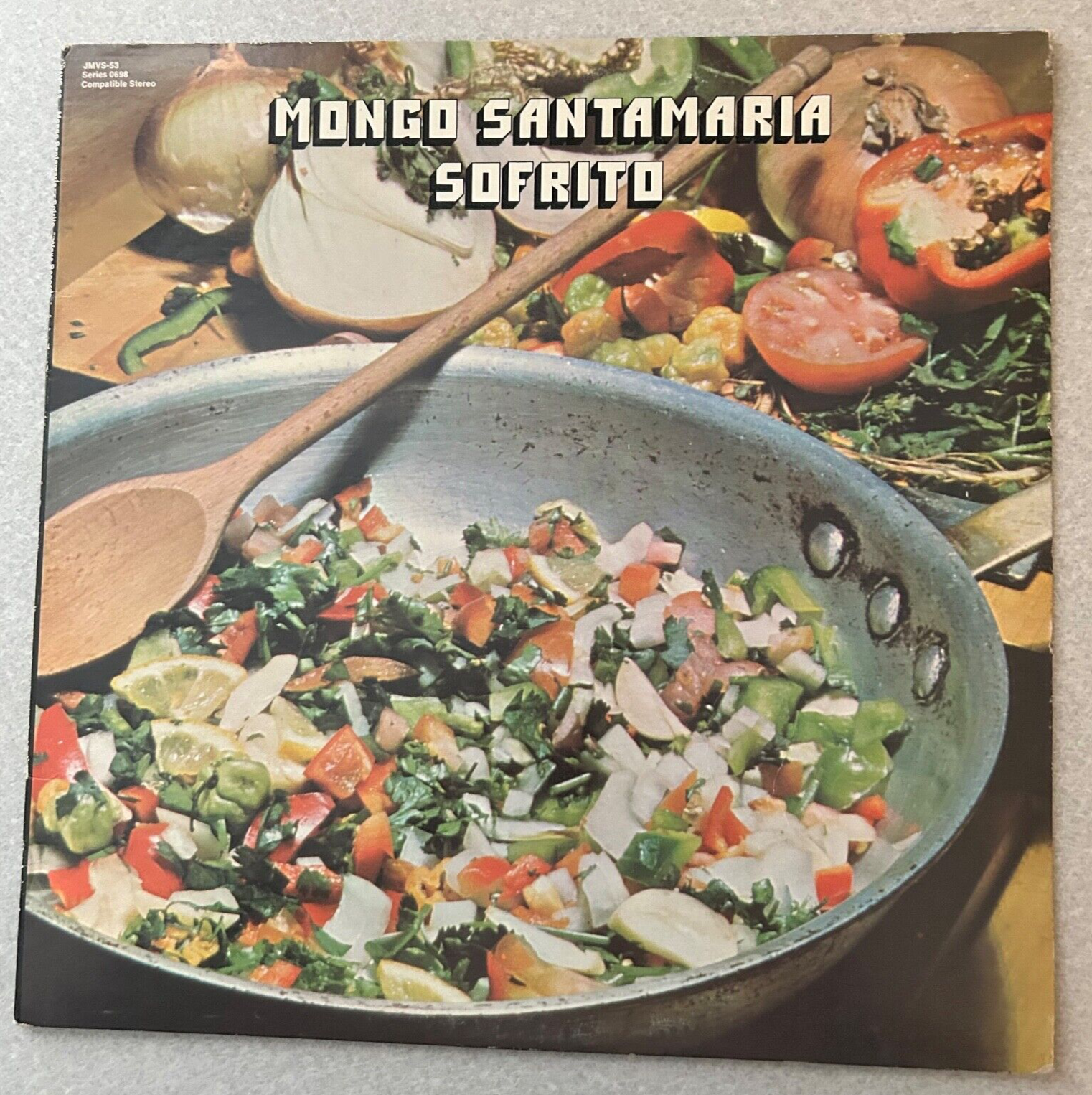
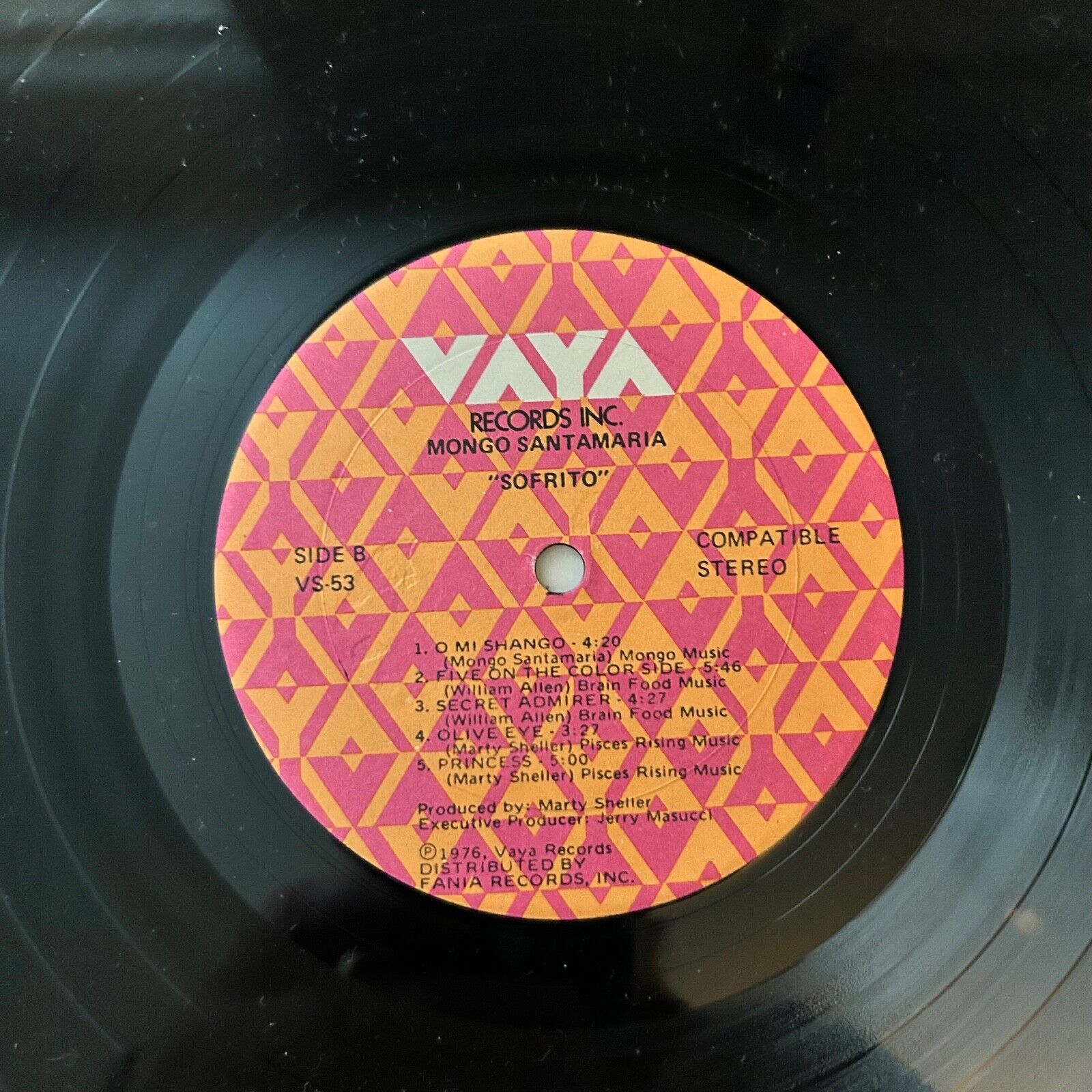
Mongo Santamaria Sofrito LP 1976 VAYA 1st Pressing Afro-Cuban Jazz
$
30
Favourite Auctions
To save auctions to your favourites, please login
If you don't have an account, please register
Description
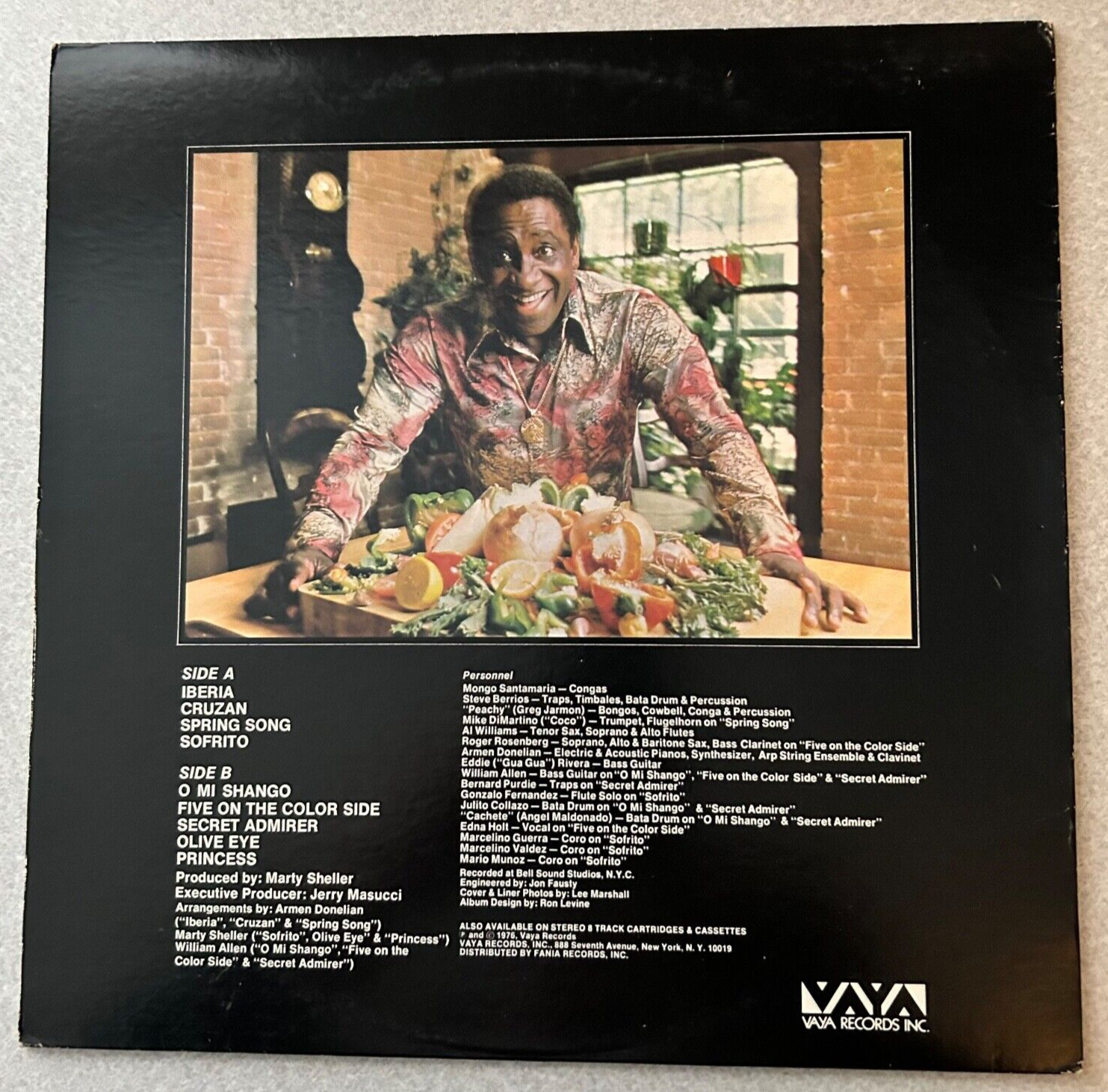
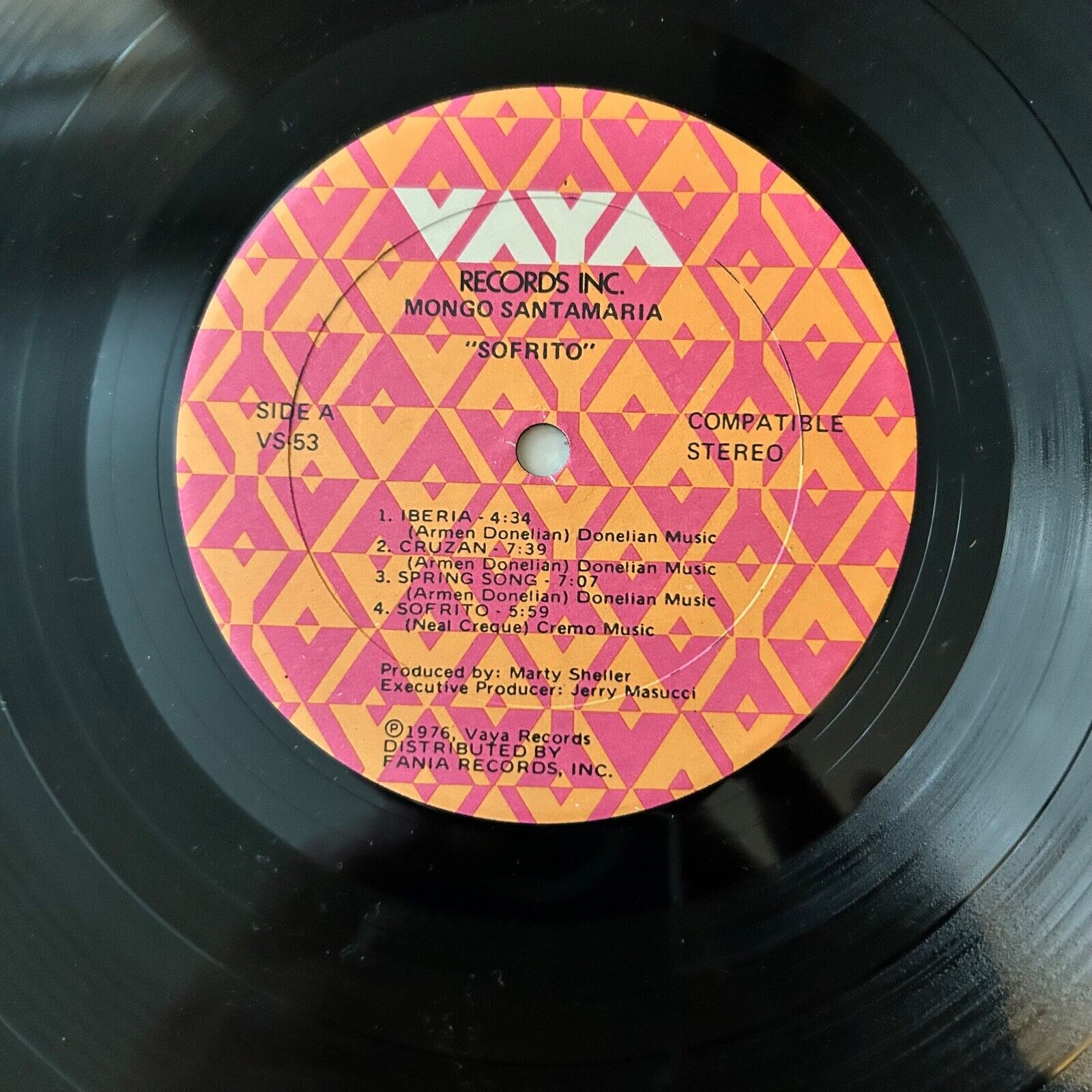
Mongo Santamaria Sofrito LP 1976 VAYA 1st Pressing Afro-Cuban Jazz Sofrito is such a Killer tune starts with a piano intro then the band kicks in and you have to move....Fantastic Then O Mi Shango takes us Home
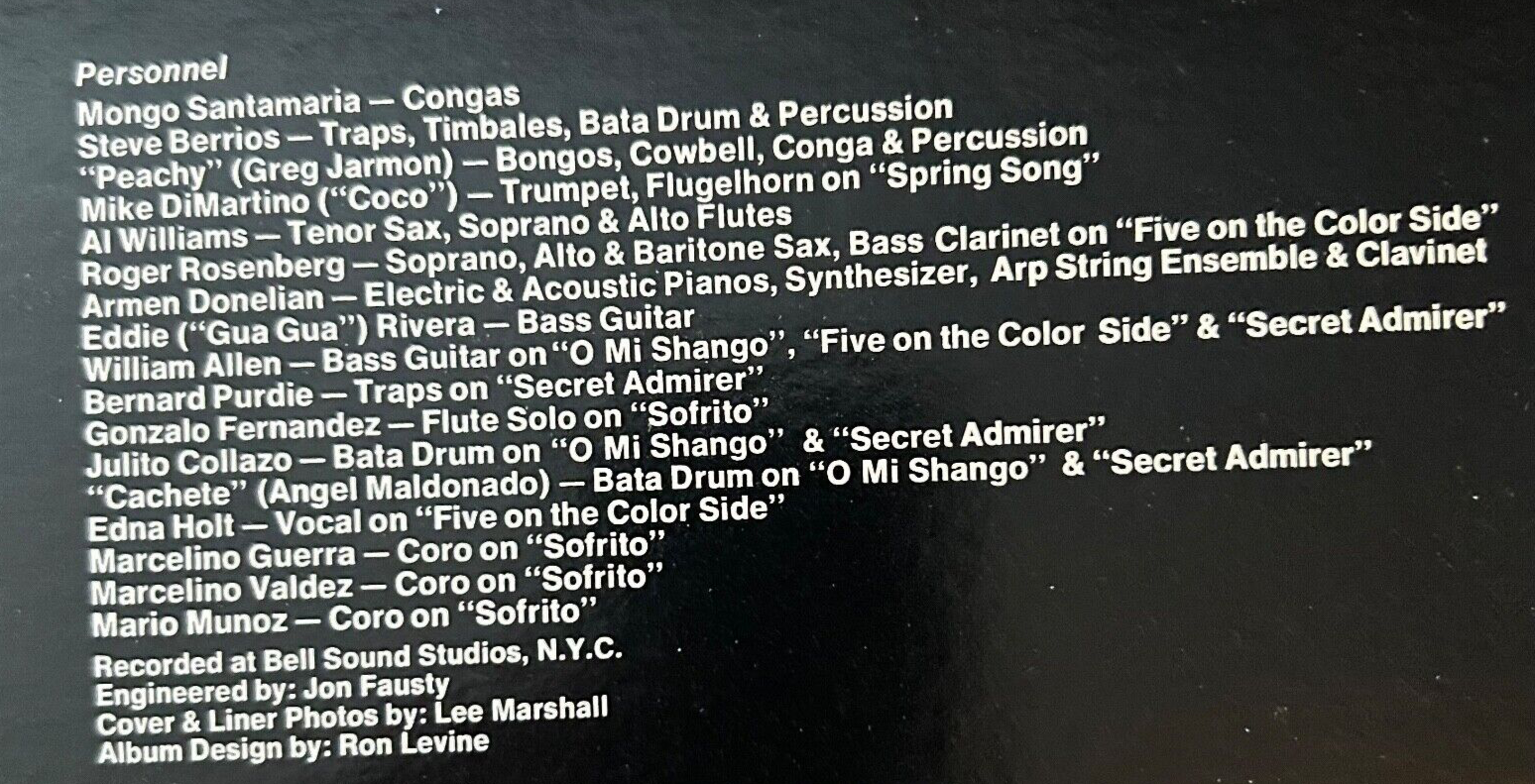
Sofrito is, perhaps, a timeless Latin soul-jazz classic. Recorded in New York by Jon Fausty with a killer band of salsa and jazz musicians, Sofrito is a wonderfully mixed bag of laid-back Latin-flavored jazz tunes such as "Cruzan," drenched in a beautiful baritone solo by Roger Rosenberg, with Armen Donelian's electric piano and beautiful timbales and traps by Steve Berrios, and Santamaria's congas. On "O Mi Shango," the lone traditional song on the set, killer bata drums by Angel "Cachete" Maldonado work well in juxtaposition to the modern synthesizer and funk backdrops. The gorgeous son rhythms on "Spring Song," lend it a timeless, Nuyorican Soul-feel as an Afro-Cuban orchestra is playing it on a Harlem street corner. Simmering, shimmering, soul-jazz harmony with gorgeous Latin percussion informed by age-old Cuban melodies and funky basslines make this one of the most beautiful tunes on the set. In all, there are no weak tracks on Sofrito, and it offers a near-perfect view of the seamless kind of transcultural music-making that was happening at the time that so informed virtually everything in both genres now.
Ramón "Mongo" Santamaría Rodríguez (April 7, 1917 – February 1, 2003) was a Cuban percussionist and bandleader who spent most of his career in the United States. Primarily a conga drummer, Santamaría was a leading figure in the pachangaand boogaloo dance crazes of the 1960s. His biggest hit was his rendition of Herbie Hancock's "Watermelon Man", which was inducted into the Grammy Hall of Fame in 1998. From the 1970s, he recorded mainly salsa and Latin jazz, before retiring in the late 1990s.
Mongo learned to play the congas as an amateur rumba musician in the streets of Havana. He then learned the bongos from Clemente "Chicho" Piquero and toured with various successful bands such as the Lecuona Cuban Boys and Sonora Matancera. In 1950, he moved to New York City, where he became Tito Puente's conguero and in 1957 he joined Cal Tjader's band. He then formed his own charanga, while at the same time recording some of the first rumba and Santería music albums. By the end of the decade, he had his first pachanga hit, "Para ti". He then became a pioneer of boogaloo with "Watermelon Man" and later signed record deals with Columbia, Atlantic and Fania. He collaborated with salsa artists and became a member of the Fania All-Stars, often showcasing his conga solos against Ray Barretto. In his later years, Santamaría recorded mostly Latin jazz for Concord Jazzand Chesky Records.
price rating

![Road To Escondido [VINYL] J.J. Cale & Eric Clapton Vinyl](https://www.popsike.info/php/thumbnail.php?url=https://www.popsike.pics/pix/20160920/162210703306.jpg)


