Little River Band - Sleeper Catcher 1978 Australia EMI White Label Radio Promo
A$
100
$
66

A$ 100
Sold For
Nov 11, 2021
Sold Date
1
Number Of Bids
Australia
Country Of Seller
eBay
Sold at
Favourite Auctions
To save auctions to your favourites, please login
If you don't have an account, please register
Description
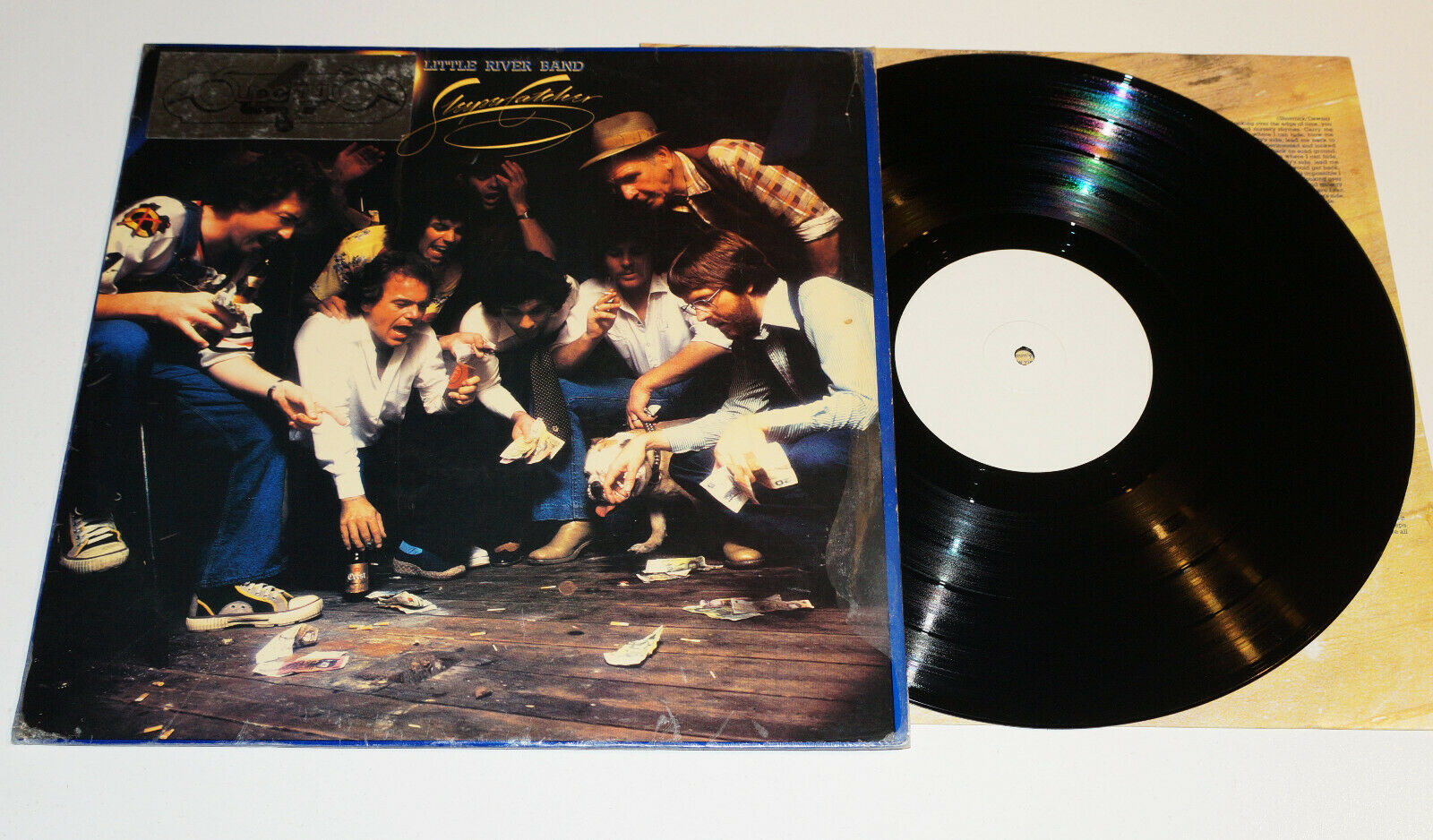
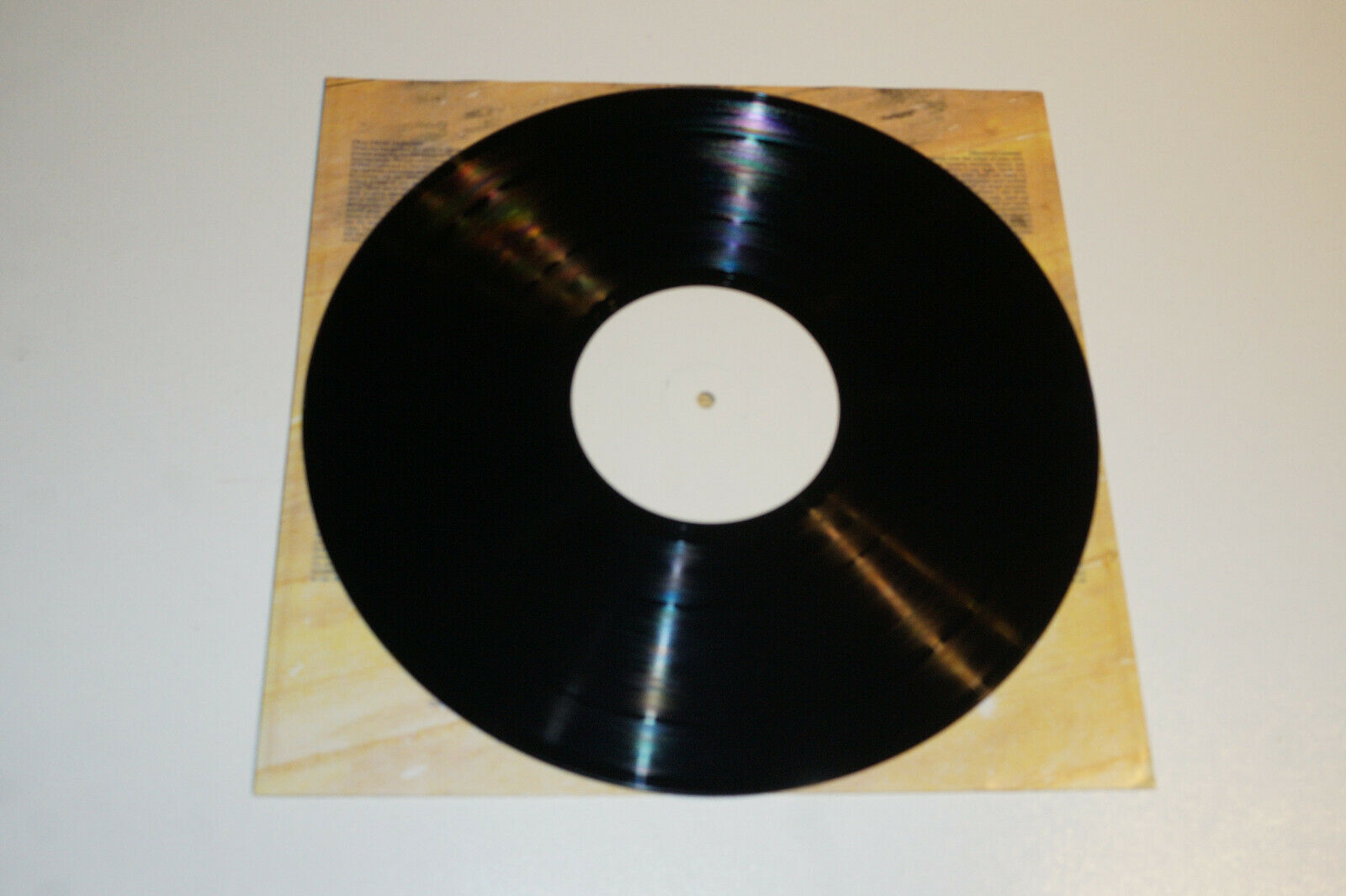
Little River Band – Sleeper Catcher EMI White Label Radio Special
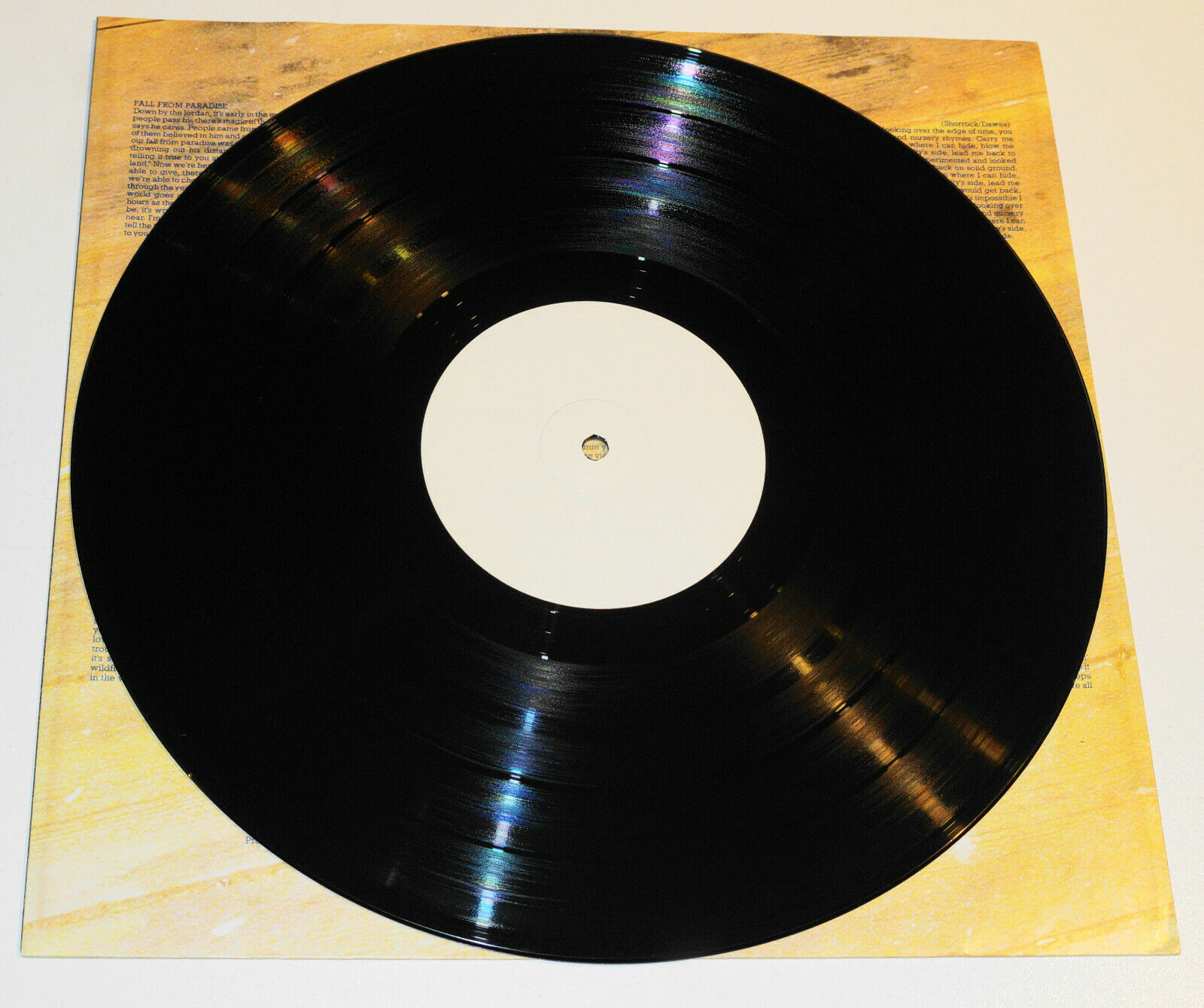
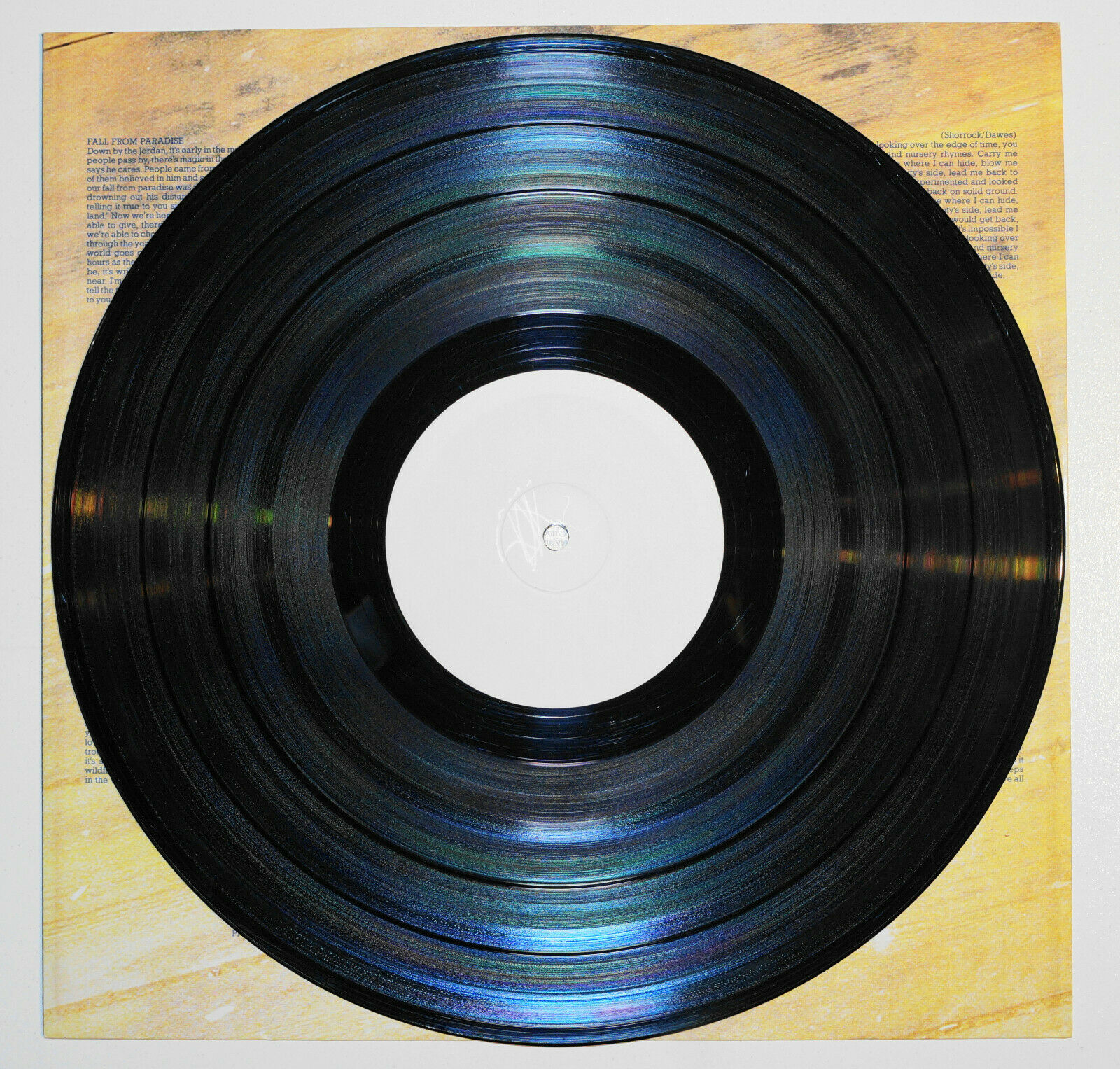
Extremely rare original 1978 EMI (Australia) Radio Special - White Label Promo. A specially cut EMI (Australia) Radio Special Promotional interview with Glenn Shorrock, about the upcoming release of the (then) new, Little River Band album, "Sleeper Catcher" The record is in Excellent condition. The labels are in Excellent condition. The cover is in VG condition, VG+, but with laminate bubbles.
The inner sleeve is in Excellent condition.
The record is groove locked on every individual track. The 12" LP vinyl record has been specially manufactured to lock the groove at the end of every track on the record, so the stylus will not move onto the next track, without lifting the tonearm.
Supercut - This has a "Supercut" sticker on the cover, with the cover being an original standard Australian "Sleeper Catcher" album sleeve, with a "Supercut" sticker on the front. The vinyl record matrices are SCRS A and SCRS B (the SCRS is reference to "Supercut Radio Special")
What is Supercut? Well this is 1978, and it is EMI Australia, so the "Supercut" they refer to, is the new Australian cutting technique that was specifically developed for (Hard) Rock music, and was made world famous by the AC/DC album "Powerage".
The new cutting technique would be re-branded as Maxicut (not Supercut) soon after this release (the actual Sleeper Catcher Album does have Maxicut in the deadwax, but this promo has the original "Supercut" reference to the new Australian cutting technique)
Maxicut explained by Don Bartley (EMI Mastering engineer) "As most mastering engineers at the time knew the Neumann cutting system was designed around stereo classical music and it's natural phase / level relationship, in other words as the stereo orchestra played loader there was an equal increase in the ambient out of phase information.
The Neumann lathe would see this increase in level and phase (particularly the bottom end) and adjust the depth and pitch of the groove to accommodate the modulation of the signal, avoiding "light" grooves and "groove jumping" on playback. However the Neumann system was not user friendly to loud rock / pop music etc. whose bottom end signal was practically mono, resulting in the lathe maintaining a constant depth groove no matter the level of the signal. This resulted in what was classified by the pressing plants as a "dangerous" cut that would "groove jump" on cheaper playback systems. So most engineers did something to overcome this problem.
Prior to my days at EMI I was mastering records for RCA Sydney and developed a system where by a phase shift was introduced to the bottom end of the lathe control signal resulting in a level to depth relationship resulting in a "safer cut". The clever people at EMI decided to re-design the control circuitry of the Neumann lathe and replace one the PC boards with their own "Maxicut" board. This created a sensation and engineers around the world were peering into their microscopes to see what was going on.
Label: EMI – SCRS A / SCRS B
Format: Vinyl, LP, Album, Stereo Country: Australia Released: 1978 Genre: Rock Style: Radio Interview - promotional release.
price rating








![Little River Band - Masterpieces [New Vinyl LP] UK - Import](https://www.popsike.info/php/thumbnail.php?url=https://www.popsike.pics/pix/20221213/364079195126.jpg)