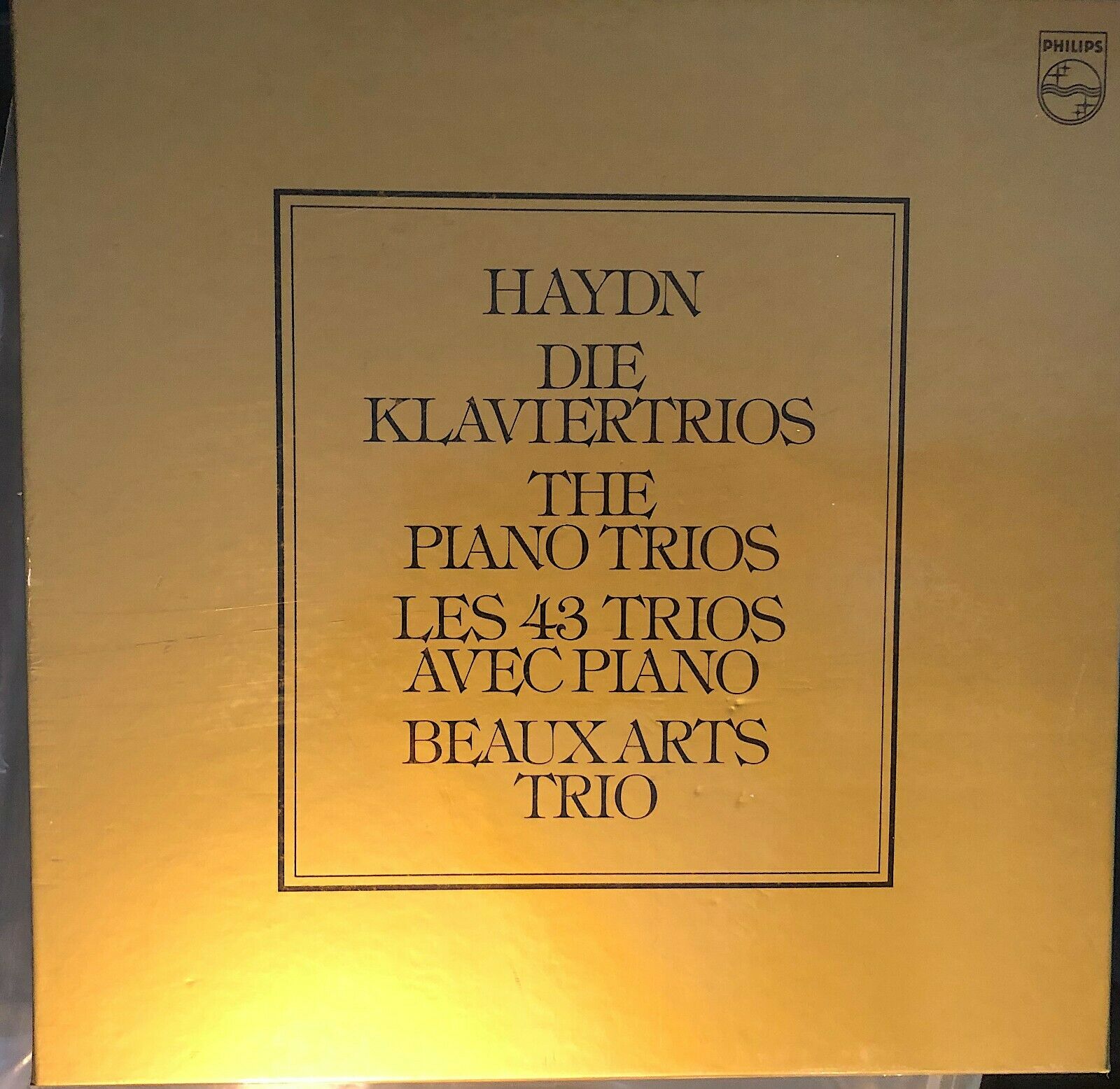
Haydn: The 43 Piano Trios, Beaux Arts Trio, 14 LP set, Unbelievable Rarity Mint
$
85


Favourite Auctions
To save auctions to your favourites, please login
If you don't have an account, please register
Description
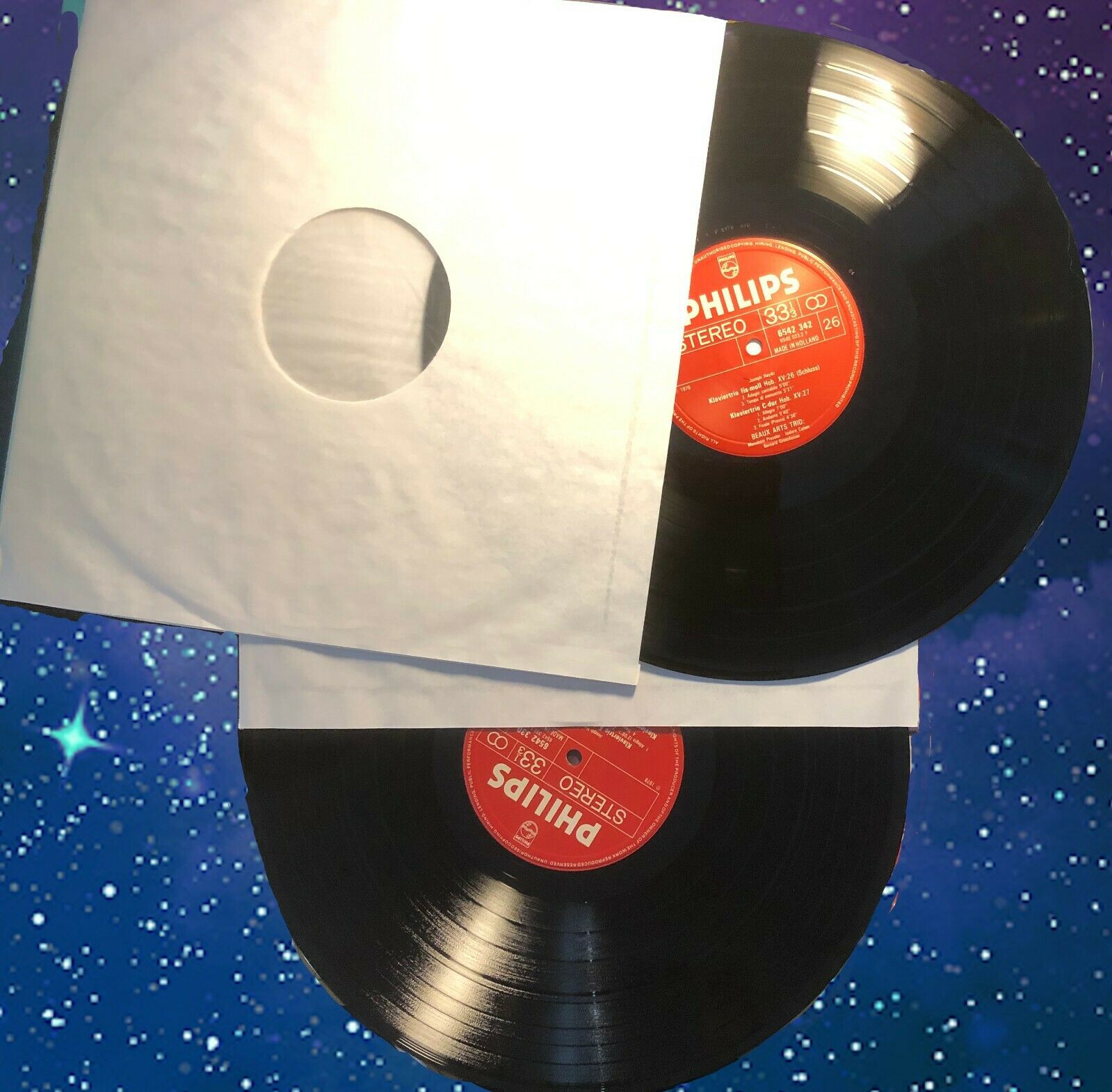
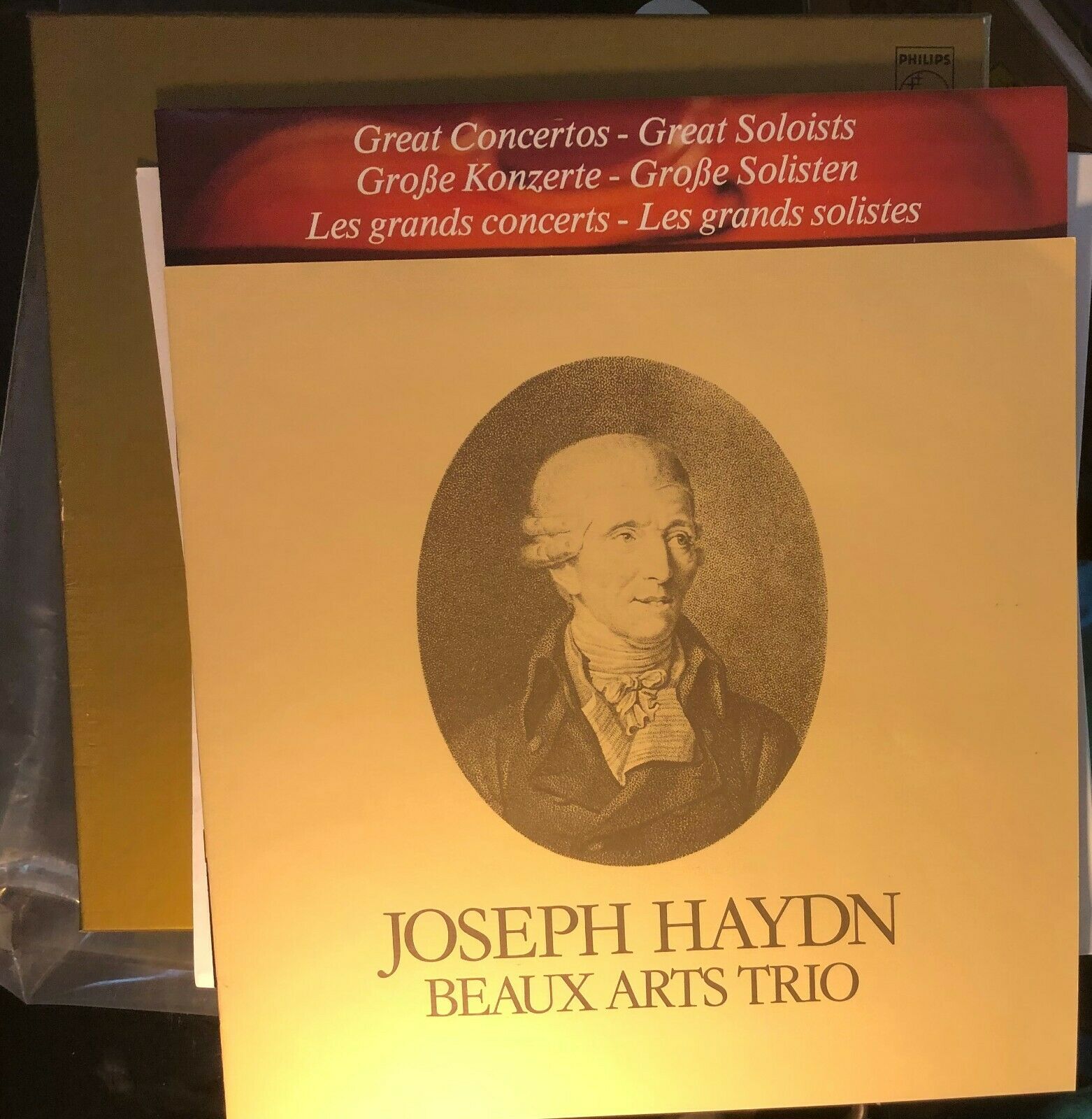
Haydn: The 43 Piano Trios, Beaux Arts Trio, 14 LP set, Unbelievable Rarity Mint . Condition is Used but I can find no defect. LPs seem entirely unplayed and box is remarkably unblemished. If you have encountered the Philips series for the entirety of Mozart then you ought to know the Beaux Arts Trio. The form itself, and its cousin the Piano Quartet, which is more of a rarity, are among the most sparkling of all classical forms.
I have always considered the Beaux Arts Trio as the best for this form for both Mozart and Haydn, although many cases arise of superstars getting together for one time only to perform trios. Those superstar trios, who do not really know each other, sometimes get great results with works like the great Shostakovich Trio Op 67, possibly his best work. If you know Haydn, then you are familiar with the idea that he is underrated. Like Schubert and others, he suffers from the accident of having been historically situated at the same time as a genius.
If you actually perform a blindfold test of trying to distinguish Haydn from Mozart, unless you actually know the work, which today for most of means knowing the recording, you must be a very good listener indeed to be able to identify the composer.
The "Great Courses" series available in libraries has some dvd/audio lectures on the specific tricks which are Mozartian and not found in Haydn in the String Quartets, which would likely be applicable to these Trios as well. They are pretty subtle formal ingenuities IMHO. And pere Haydn ought to be given the great credit for being the innovator that Amadeus was not in any way shape or form. Although people like to point to Don Giovanni as if it is a harbinger of the Beethoven style, the entire career of Haydn was groundbreaking. Father of the Symphony, of the String Quartet, and of this form as well, we can say that Haydn gave the gift of classical music as we know it to the world. Although the pianoforte of his day was quite different and a bit quirky, he recognized its potential and began immediately to explore it. At this moment in time, Amazon calls this item "unavailable." No surprise.
In 4 decades of my LP hunting this must be one one of the greatest whales harpooned. Never played, always in its own poly sleeves and a special outer sleeve I bought just for it. Stored at 8500 feet near the USA continental divide in Colorado. Almost entirely unblemished even on its box. These were undoubtedly appx $15 per disk at time of release, like all premiere LPs in the golden age.
That made this set an approximately $210 original list price, with a naturally limited pressing.
These huge boxes were normally reserved for cases like putting the entire Ring Cycle into a single box, which was done once or twice.
Usually they covered one's entire oevre in single LP issues one after the other. Philips which later did the entire Mozart must already have been thinking in terms of the giant wholistic issue. What are they worth now, with CD's essentially worthless if you can access the digital information without the disks? And mp3's merely a sort of note passed in school from one person to another, saying hey, I hear that music exists, do you believe in music? Really? What do you think it sounds like? What a world. Young men used to impress women with the size of their loudspeakers and therefore the volume of a rock and roll party they could create inside and outside of their home. College towns -- you would walk down the block and hear the overlap from one party to the other. Without LPs -- when you switch to CD's the waveform breaks down into mush as a certain decibal level. No one plays music that loud any more -- 4 speakers in the living room, 4 in the back yard, 4 upstairs, all wired to the same turntable, playing Sticky Fingers by the Rolling Stones.... But the same curve characteristics are just as critical for the delicate music. If the world contained only piano solo recordings, you could make an argument for CDs perhaps. But all the string music, bowed and plucked, would sweep that cd and mp3 sound right into the trash for its digititis. The attack on the oscilliscope wave form has the famous stairstep reducing its effect. So the wonderful black background and zero distortion are all to no effect. Even the Super Audio CDs, SACDs, did not cure the illness of digititis -- they just reduced it. DVDs for audio only had the same effect. So, the "sparkle" mentioned is the same challenge as playing Beethoven 9 first movement loud, or rock music loud. You don't need the volume but you do need the waveform to be absolute, absolute sound. That was the name of a magazine once devoted to the LP vs CD sound. It's as though all 3 musicians are actually in the groove. Play the LP with the amplifier off -- you can still hear them. Try THAT with a CD.
price rating