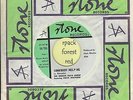
BELISARIO LOPEZ & ORQ: ANSONIA#1410 ('63): RARE HEAR
$
26


Favourite Auctions
To save auctions to your favourites, please login
If you don't have an account, please register
Description
REMARKS:
BELISARIO LOPEZ: A DIFFERENT CHARANGA!!!
Los éxitos más sobresalientes que grabó la Orquesta de Belisario en Cuba fueron Prueba mi sazón, El dedo gordo, La Gioconda, El cadete constitucional, Como traigo la yuca –mejor conocida como Dile a Catalina que te compre un güayo–, Una taza de arroz, El clarín de la selva, La flauta mágica, Marchetta, Intermezzo, El camarón, Guapacha, Jóvenes de La Avispa, Prepárate pa' bañarte, Errante y bohemio, Mambo azul, Dónde estabas anoche, Soy de Jaronú, Con el cimarrón y una exitosa versión charanguera de Bururú, barará, tema también conocido como ¿Cómo está Miguel?
Dentro del pentagrama musical cubano, el conjunto compitió exitosamente con otras charangas en la interpretación tanto de danzones como de otros ritmos netamente de la isla, entre los que se encontró el mambo-charanguero, el cha-cha-chá, el son montuno, etc.
En 1960, tras haber grabado un exitoso elepé de danzones en Radio Progreso, Belisario se marchó a Nueva York, fundando en corto tiempo, con músicos y cantantes que vivían en La Gran Manzana, una charanga similar a la que por tantos años dirigió en Cuba.
Entre los miembros de su entonces nueva orquesta en Estados Unidos se encontraron el cantante Rudy Calzado, la primera voz de Javier Dulzaides, Vicente Consuegra y Osvaldo Basora en los coros y la compañía de Otto B. López (piano), Elpidio Vázquez (contrabajo), Francisco“Kako” Bastar (timbales) y Mike Martines y Manuel Acosta (violines). Con esa orquesta, Belisario se ganó rápidamente el respeto y la confianza de los promotores de Nueva York, donde se presentó en renombrados lugares como el Palladium de Broadway, El Ballroom y el Starlight del famoso Waldorf Astoria Hotel, el Carnegie Hall, el Manhattan Center y El Dinner Room del Hotel Taft, entre otros, además de hacer muchas giras en otras ciudades estadounidenses, así como en Puerto Rico.
En nuestra opinión, su mayor éxito en un disco fue la conga-charanguera El Camarón, tema de su propia inspiración. Este pegajoso y popularísimo número fue grabado con gran éxito por Belisario en Cuba y en Estados Unidos, aunque no hay que olvidar otros grandes cortes como En casa de Estanislao, El platanal de Bartolo y El sucu sucu.
En Estados Unidos, Belisario grabó cuatro elepés para el sello Ansonia, e hizo uno de danzones en Cuba, poco antes de salir, para la misma disquera. Tres de esos elepés contienen en su mayoría ritmos de pachanga, mientras que el quinto, su última producción en vida, fue registrado en 1966, siendo su mejor grabación para la disquera en opinión de los conocedores.
No obstante, ese disco, así como el primero y el cuarto, están descontinuados, algo que no debería suceder; desafortunadamente, la discografía disponible de Belisario López es muy limitada, por lo que todos sus elepés tendrían que estar restaurados en discos compactos.
En un artículo publicado en el Diario Las Américas en abril de 1988, el músico, compositor, comediante y periodista cubano Rosendo Rosell escribió que “don Belisario López era una de las personas decentes del ambiente musical y un amigo espontáneo”. Recordaba el escritor que “en 1963, actuando en el teatro Puerto Rico de Nueva York, al regresar al hotel, nos encontramos un elepé dedicado cariñosamente a nosotros de parte de Belisario López, en el que había incluido, sin que lo supiéramos, un número nuestro, titulado Vacaciones en Puerto Rico”.
Junto con Cheo Belén Puig y Antonio María Romeu, López fue uno de los “tres grandes” del danzón puro cubano sin influencias de ritmos extranjeros, aunque posteriormente dichas influencias fueran añadidas a sus repertorios por demanda popular.
Belisario López murió en la ciudad de Nueva York el 19 noviembre de 1969, y hasta hoy es recordado y querido por todos los fanáticos de las charangas en los Estados Unidos y América Latina. El indiscutible rey del danzón cubano estaba casado con una bondadosa dama, América López, con la que procreó un hijo, Otto López.
Eddie Zervigón, director de la Orquesta Broadway, nos comentó en una charla que tuvimos el 28 de agosto de 2003: “Mi primer encuentro con Belisario creo que fue en el sindicato de músicos de NYC, aunque no recuerdo con claridad los detalles. Tuve la oportunidad de alternar varias veces con su banda, inclusive en un evento organizado por la colonia cubana que se llevó a cabo en el Carnegie Hall”.
Zervigón declaró que admiró mucho a Belisario como flautista y como persona, “porque era muy educado y, sinceramente, nunca te cansabas de hablar con él, debido a lo mucho que sabía y el amplio conocimiento que poseía en todas las ramas, desde la política hasta la música. No conocí personalmente su trayectoria artística, pero sí sabía que había tenido una vida musical muy fructífera y que fue muy admirado como director de orquesta y como flautista en toda Cuba. Poseía un sonido impecable en la flauta, a pesar de que cuando llegó a NYC sólo contaba con un pulmón, fumaba mucho y se había retirado del toque de flauta desde hacía muchos años, ya que se había dedicado a la profesión de abogado”.
El mismo director de la Orquesta Broadway recuerda que, por motivos políticos, Belisario tuvo que salir de Cuba a principios de los 60's, y que volver a tocar la flauta no fue una elección fácil, ya que de hecho, la flauta de cinco llaves es un instrumento muy duro y complejo, más aún en las condiciones de salud en las que él se encontraba.
TRACKS SIDE A: 1- Tu No Estas En Na' (Son Montuno)
2- Buscate Un Chino (Cha Cha Cha)
3- La Ultima Rumba (Guaguanco)
4- Historia De Una Rosa (Bolero-Cha)
5- Oyeme Mi Cielo (Mambo)
6- Vamonos Ya (Descarga)
TRACKS SIDE B:
1- Que Bueno Seria (Son Montuno)
2- La Sombra DE Tu Sonrisa (Cha Cha Cha))
3- A Bailar El Guaguanco (Guaguanco)
4- Se Han Olvidado (Mambo)
5- Dime Que Te Pasa (Cha Cha Cha))
6- No Me Dejes De Querer (Mambo)
WEB REMARKS: A composer from Cardenas in Matanzas, Cuba, Belisario Lopez is renowned also for his ability on the flute, so naturally a charanga -- the type of Latin band typically featuring flute and violins -- is ideally suited for him. Among pachanga albums, Pachangas is one of the most authentic and exciting. As Herman Glass' (ANSONIA'S Owner) liners state, each track "seems to sparkle more than the previous." The reason for this may have less to do with Lopes playing and arrangements than with the ensemble and solo singing, however. The sound and enthusiasm are infectious, even if the charanga sound wears thin after a while. This one is for fans of authentic Cuban music from the period.
Please Follow The Shipping Rates Below:
LPs
1 Item
Xtra Item
Air Mail Media U.S.A
$4.00 (Delivery Confirmation Included)
Add $0.25
Air Mail Priority U.S.A
$8.00 (Delivery Confirmation Included)
Add $1.00
Air Mail Canada
$6.75
Add $2.00
Air Mail Europe
$13.00
Add $3.00
Air Mail Asia
$13.50
Add $3.00
Air Mail Caribbean
$12.00
Add $2.00
Air Mail South America
$12.50
Add $2.50
If Buying More Than 3 Records We Will Inform You The Shipping & Handling....We do combine shipping for multiple purchases.
Insurance Available - Domestic Only:
$1.75 ................ $0.01 to $50
$2.25 ................ $50.01 to $100
$2.75 ................ $100.01 to $200
* We offer a money back + shipping costs guarantee on our records (unless otherwise noted) if you feel the LP was not graded properly. We will issue a full refund upon its return, once our mistake has been verified. We are not responsible for items that get damaged or lost during shipping. Althouh this seldom happens (damage of lost) we have available the insurance option.
Record Grading: Standard guidelines for grading records comes down to a subjective judgment that may vary from person to person. We grade records and LP covers visually AND (when possible) play-tested. We make every effort to give full disclosure (remember that the LP has at least 12 tracks and the grading may vary between each other) and your satisfaction is guaranteed. Don't assume that our vinyl determination of "Very Good+" is the same as yours!
RECORD OR COVER GRADED VG or LESS WILL BE "SOLD AS IS"
MINT: Unplayed, still sealed.
NM RECORDS: are shiny, with no visible defects, they might have one or 2 minor superficial scuff and they should play without any noise. Writing, stickers or other markings cannot appear on the label, nor can any “spindle marks” from someone trying to blindly put the record on the turntable. Major factory defects also must not be present; a record and label obviously pressed off center is not Near Mint. If played, it will do so with no surface noise. (NM records don’t have to be “never played”; a record used on an excellent turntable can remain NM after many plays if the disc is properly cared for.)
NM COVERS:
have no creases, ring wear or seam splits of any kind.
Picture Sleeves: should look as if they never housed a record. This is a great reason to remove your 45s from their picture sleeves and keep them separate. Just keeping the 45 inside the sleeve will cause damage than can reduce the grade of the sleeve.
VG++ (Excellent) RECORDS:
Barely noticeable play wear and background noise. May have surface scuffs and/or superficial marks, which will be inaudible or indiscernible from the background, no scratches. Very nice, flaws noted.
VG++ COVERS:
Artwork is still as close to perfect as can be. Some impression to the cover (minor outer ring wear) but no ink wear! Some slight creases to the corners, but not wrinkled and obtrusive to the eye. The corners can show white (where the artwork pasted slick was) meaning, slight wear. No seam splits or writing on the cover or taped repairs can make this grade.
VG+ RECORDS:
may show some slight signs of wear, including light scuffs or very light scratches that do not affect the listening experience. Slight warps that do not affect the sound are OK. Minor signs of handling are OK, too, such as telltale marks around the center hole, but repeated playing has not misshapen the hole. There may be some very light ring wear or discoloration, but it should be barely noticeable.
VG+ COVERS:
should have only minor wear. A VG+ cover might have some very minor seam wear or a split (less than one inch long) at the bottom, the most vulnerable location. Also, a VG+ cover may have some defacing, such as a cut-out marking. Covers with cut-out markings can never be considered Near Mint.
VG+ PICTURE SLEEVES:
might show some very light creasing where it is obvious that a record once resided (or still does reside). A VG+ picture sleeve might have some very minor seam wear or a split (less than one inch long) at the bottom, the sleeve’s most vulnerable location.
VG RECORDS:
They have more obvious flaws than their counterparts in better shape. They lack most of the original gloss found on factory-fresh records. Groove wear is evident on sight, as are light scratches deep enough to feel with a fingernail. When played, a VG record has surface noise, and some scratches may be audible, especially in soft passages and during a song’s intro and ending. But the noise will not overpower the music otherwise. Minor writing, tape, or a sticker can detract from the label. Many collectors who have jukeboxes will use VG records in them and not think twice. They remain a fine listening experience, just not the same as if it were in better shape.
VG COVERS and PICTURE SLEEVES:
will have many signs of human handling. Ring wear in the middle or along the edges of the cover where the edge of a record would reside, is obvious, though not overwhelming. Some more creases might be visible. Seam splitting will be more obvious; it may appear on all three sides, though it won’t be obvious upon looking. Someone might have written or stamped a price tag on it, too.
RECORDS GRADED VG OR BELOW WILL BE "SOLD AS IS"
Items are to be paid within 7 days (if not paid by that time it will be subject for relisting) of auction close and will be shipped within 48 hours of receipt of payment. Paypal is the preferred method of payment.
Carlos A. Flores 25830 Crippen Dr. Land O' Lakes, FL 34639
price rating


![Tokyo Dome In Concert [VINYL] Van Halen Vinyl](https://www.popsike.info/php/thumbnail.php?url=https://www.popsike.pics/pix/20160510/141988809076.jpg)