1971 Led Zeppelin IV Near Mint 1st Press [Porky Pecko Duck] Vinyl Record NM LP
$
100
![1971 Led Zeppelin IV Near Mint 1st Press [Porky Pecko Duck] Vinyl Record NM LP](https://www.popsike.pics/pix/20250805/187463501749.jpg)
![Pic 2 1971 Led Zeppelin IV Near Mint 1st Press [Porky Pecko Duck] Vinyl Record NM LP](https://www.popsike.pics/pix/20250805/187463501749_2.jpg)
![Pic 3 1971 Led Zeppelin IV Near Mint 1st Press [Porky Pecko Duck] Vinyl Record NM LP](https://www.popsike.pics/pix/20250805/187463501749_3.jpg)
![Pic 4 1971 Led Zeppelin IV Near Mint 1st Press [Porky Pecko Duck] Vinyl Record NM LP](https://www.popsike.pics/pix/20250805/187463501749_4.jpg)
Favourite Auctions
To save auctions to your favourites, please login
If you don't have an account, please register
Description
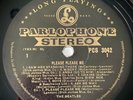
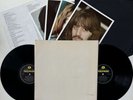
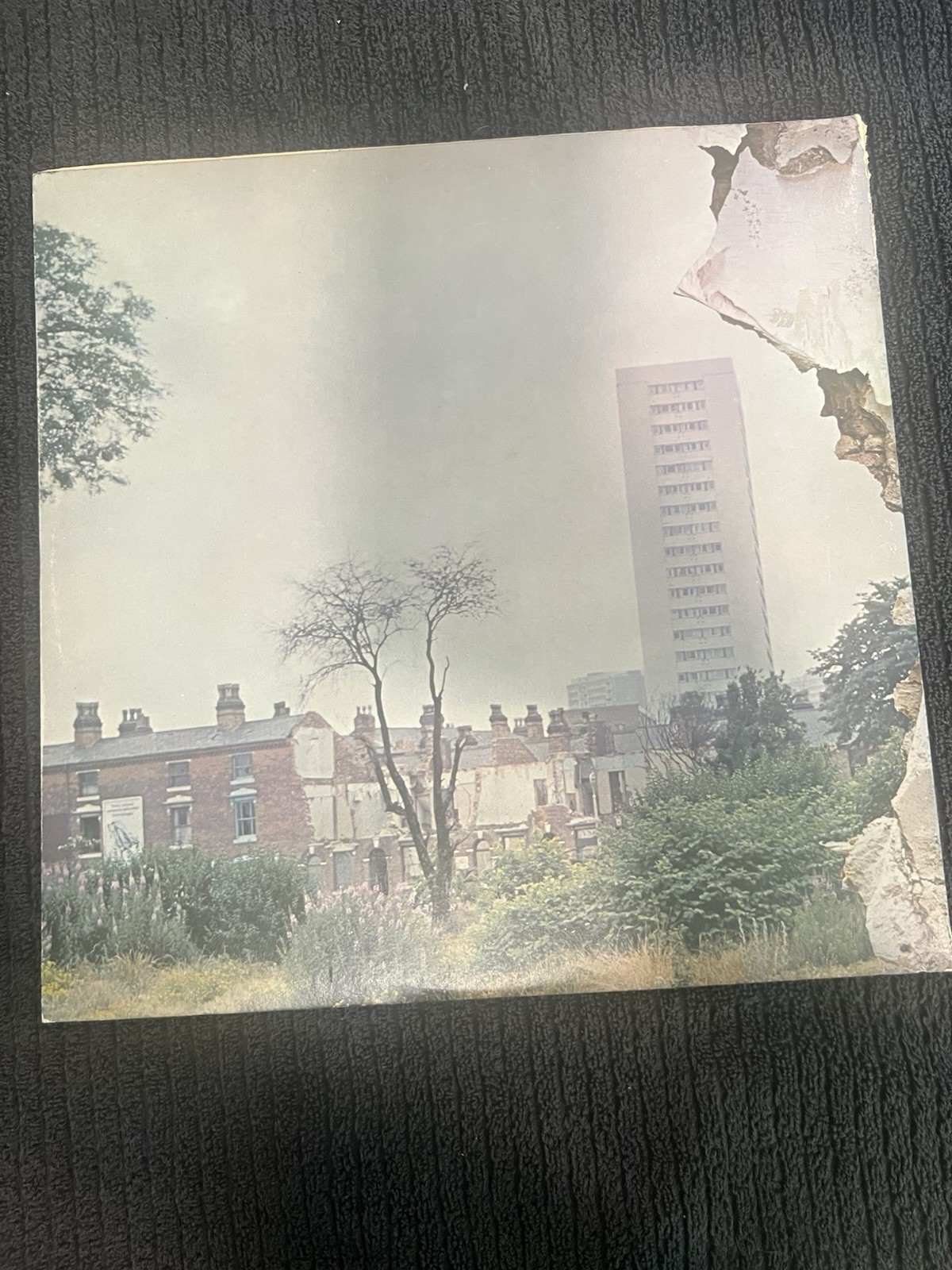
Near mint condition! Please see pics! Rare Pecko Duck Porky pressing! These are signatures for the mastering engineer George Peckham. They are the grails. Some shelf wear to the sleeve but the record is almost flawless. Please see pics!!!
The untitled fourth studio album by the English rock band Led Zeppelin, commonly known as Led Zeppelin IV,[a] was released on 8 November 1971, by Atlantic Records. It was produced by the band's guitarist, Jimmy Page, and recorded between December 1970 and February 1971, mostly in the country house Headley Grange. The album contains one of the band's most well-known recordings, the eight-minute-long "Stairway to Heaven".
The informal recording environment inspired the band, allowing them to try different arrangements of material and create songs in various styles. After the previous album Led Zeppelin III (1970) received lukewarm reviews from critics, they decided their fourth album would officially be untitled and represented instead by four symbols – one chosen by each band member – without featuring the name or any other details on the cover. Unlike the prior two albums, the band was joined by guest musicians: singer Sandy Denny on "The Battle of Evermore", and pianist Ian Stewart on "Rock and Roll". As with prior albums, most of the material was written by the band, though there was one cover song, a hard rock re-interpretation of the Memphis Minnie blues song "When the Levee Breaks".
Led Zeppelin IV was an immediate critical and commercial success and is Led Zeppelin's best-selling album, having sold over 37 million copies worldwide. It is one of the best-selling albums in the United States and of all time, while critics have regularly placed it high on lists of the greatest albums of all time.
Side one
edit
"Black Dog" was named after a dog that hung around Headley Grange during recording. The riff was written by Page and Jones, while the a cappella section was influenced by Fleetwood Mac's "Oh Well". Singer Robert Plant wrote the lyrics, and later sang portions of the song during solo concerts.[5] The guitar solos on the outro were recorded directly into the desk, without using an amplifier.[14]
"Rock and Roll" was a collaboration with Stewart that came out of a jam early in the recording sessions at Headley Grange. Drummer John Bonham created the introduction, which came from jamming around the intro to Little Richard's "Keep A-Knockin'".[15] The track became a live favourite in concert and was performed as the opening number or as an encore.[5] It was released as a promotional single in the US, with stereo and mono mixes on either side of the disc.[16]
"The Battle of Evermore" was written by Page on the mandolin, borrowed from Jones. Plant added lyrics inspired by a book he was reading about the Scottish Independence Wars. The track featured a duet between Plant and Fairport Convention's Sandy Denny,[17][b] who provided the only female voice to be heard on a Led Zeppelin recording.[19] Plant played the role of narrator in the song, describing events, while Denny sang the part of the town crier representing the people.
"Stairway to Heaven" was mostly written by Page and most of the chord sequence was already worked out when recording started at Basing Street Studios. The lyrics were written by Plant at Headley Grange, about a woman who "took everything without giving anything back".[20] The final take of the song was recorded at Island Studios after the Headley Grange session. The basic backing track featured Bonham on drums, Jones on electric piano and Page on acoustic guitar.[20] The whole group contributed to the arrangement, such as Jones playing recorders on the introduction and Bonham's distinctive drum entry halfway through the piece.[17] Page played the guitar solo using a Fender Telecaster he had received from Jeff Beck. It had been his main guitar on the group's first album and early live shows. He put down three different takes of the solo and picked the best to put on the album.[21]
The song was considered the standout track on the album and was played on FM radio stations frequently, but the group resisted all suggestions to release it as a single. It became the centrepiece of the group's live set from 1971 onwards. In order to replicate the changes between acoustic, electric and twelve-string guitar on the studio recording, Page played a Gibson EDS-1275 double-neck guitar during the song.[17]
Side two
edit
"Misty Mountain Hop" was written at Headley Grange and featured Jones playing electric piano.[17] Plant wrote the lyrics about dealing with the clash between students and police over drug possession. The title came from J. R. R. Tolkien's The Hobbit.[22] Plant later performed the track on solo tours.[17]
"Four Sticks" took its title from Bonham playing the drum pattern that runs throughout the song with four drum sticks, and Jones played analog synth. The track was more difficult to record than the other material on the album, requiring numerous takes.[17] It was played live occasionally in early 1971.[23][24] The song was also re-recorded with the Bombay Symphony Orchestra in 1972.[25] This version appeared on the deluxe edition reissue of the group's 1982 album Coda. The song was also reworked for Page and Plant's 1994 album No Quarter: Jimmy Page and Robert Plant Unledded.[26]
"Going to California" was a quiet acoustic number. It was written by Page and Plant about Californian earthquakes, and trying to find the perfect woman. The music was inspired by Joni Mitchell, of whom both Plant and Page were fans. The track was originally titled "Guide To California"; the final title came from the trip to Los Angeles to mix the album.[17][27]
"When the Levee Breaks" came from a blues song recorded by Memphis Minnie and Kansas Joe McCoy in 1929. The track opened with Bonham's heavy unaccompanied drumming, which was recorded in the lobby of Headley Grange using two Beyerdynamic M 160 microphones suspended above a flight of stairs; output from these were passed to a limiter. A Binson Echorec, a delay effects unit, was also used.[28] Page recalled he had tried to record the track at early sessions but it had sounded flat. The unusual locations around the lobby gave the ideal ambience for the drum sound.[29] This introduction was later extensively sampled in hip hop music during the 1980s.[17] Page and Plant played the song on their 1995 tour promoting No Quarter: Jimmy Page and Robert Plant Unledded.[30]
Other songs
edit
Three other songs from the sessions, "Down by the Seaside", "Night Flight" and "Boogie with Stu" (featuring Stewart on piano), were included four years later on the double album Physical Graffiti. An early version of "No Quarter" was also recorded at the sessions.
price rating